Our story
Why did three software guys start a matcha company?
Good question.
We are Goutham, Umesh and Rineeth.
All three of us come from the software world.
Start with the routine ↓
01 The routine
And if you work in software, you probably know the routine.
Deadlines. Meetings. Production issues. Long hours staring at a screen. Pressure. And sometimes… a really bad headache.
So what did we do?
Tea.
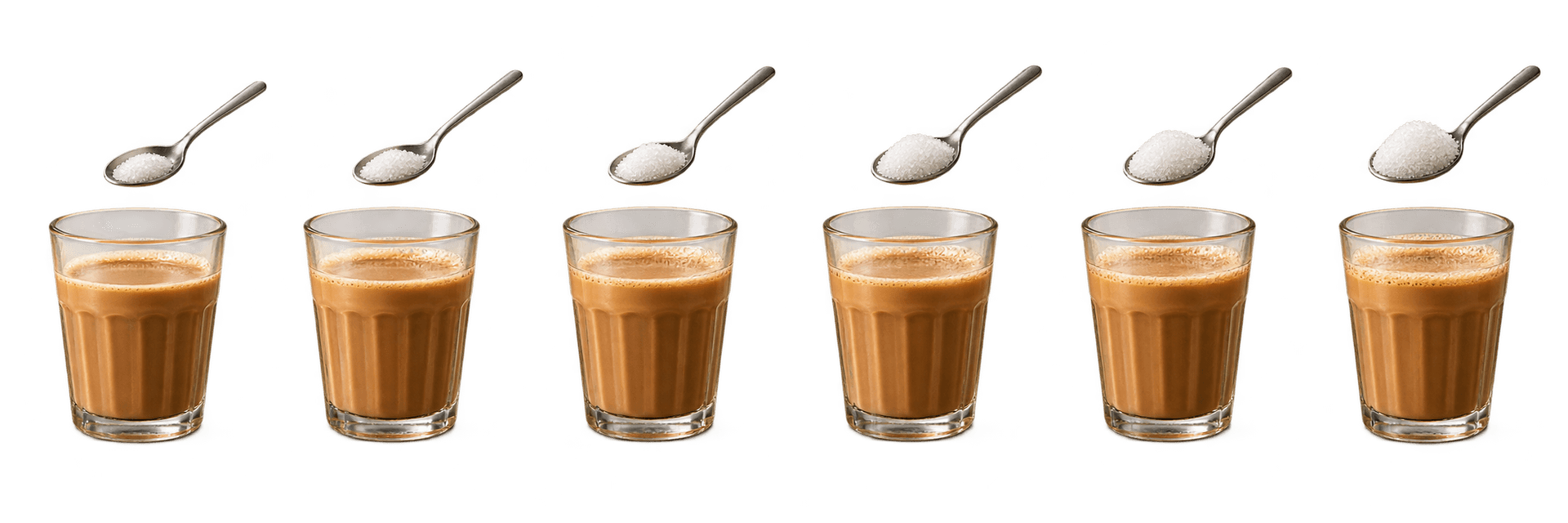
One cup in the morning. Another when work started getting heavy. Another after lunch. Another during an evening meeting.
And on some days, without even realizing it, the count would reach five or six cups.
But there was another problem.
Sugar.
Cup after cup. Tea after tea. Sugar after sugar.
It started with a question
Does staying active really have to mean drinking this much sugary tea?
That question started everything.
02 The discovery
So we started searching.
Not for a business idea. Just for a better drink.
Not for a product to sell. Something that could help us feel awake. Something we could drink while working. Something that didn't need spoon after spoon of sugar. And something that felt a little more… calm.
That search eventually took us to Japan. And to something none of us had seriously explored before.
Matcha.
At first it was simply:
“Okay… green tea powder. What's so special about this?”
Then we started reading. And reading more. And suddenly we were going deeper into Japanese tea culture.
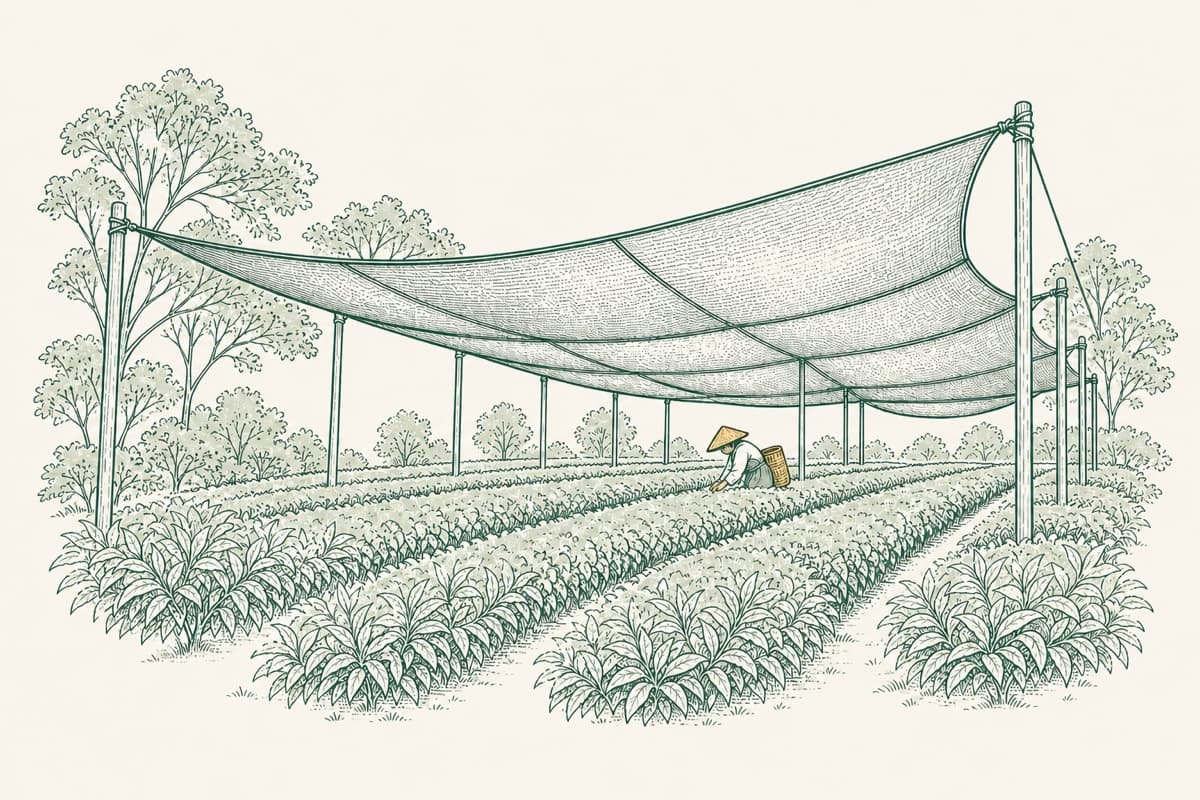
Wait… people have been drinking this for centuries?
That got our attention.
Tea became deeply connected with Zen Buddhist practice in Japan, where monks used tea during long periods of meditation. Over time, tea culture also became closely associated with Japan's warrior class and eventually developed into the Japanese tea ceremony.
And we thought:
Why did something so simple become a ritual?
Why grind the leaf?
Why whisk it?
Why sit quietly and prepare one bowl?
Why has this survived for hundreds of years?
Now we were curious. Very curious.
03 The ritual
So we tried it ourselves.
And this is where Suko actually started.
For us, we didn't need five or six cups. Most days, one cup in the morning and sometimes another later in the day felt enough.
The experience was different from the sugary tea routine we were used to.
There was caffeine. But matcha also naturally contains L-theanine, an amino acid found in tea.
Researchers continue studying the combination of caffeine and L-theanine because evidence suggests it may influence certain aspects of attention, cognition and mood—although the effects vary and the science is still developing.
That was exactly what fascinated us.
Personally, we started enjoying the routine itself.
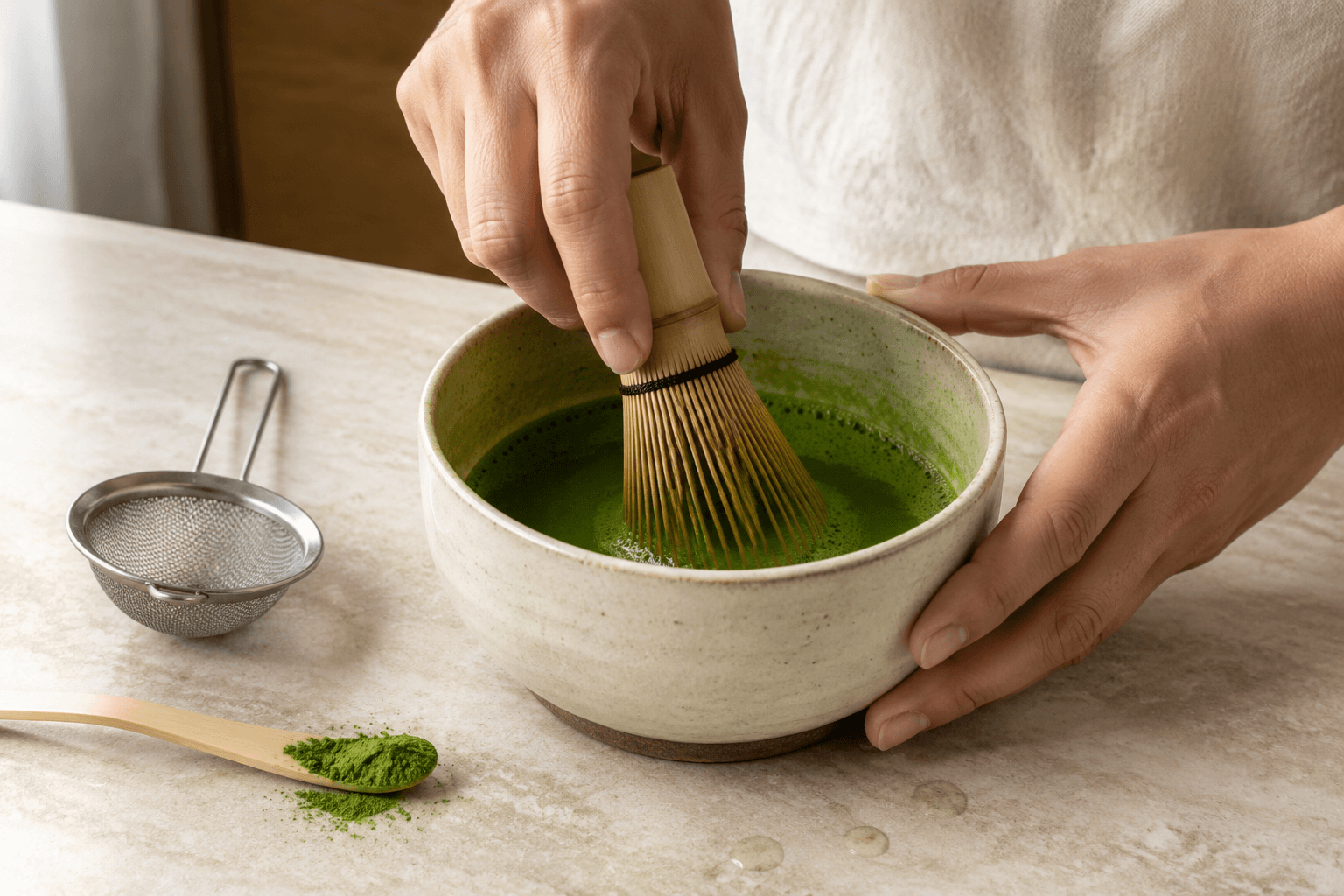
Making the bowl. Whisking it. Sitting down. Drinking it slowly. Then going back to work.
Not just: ENERGY.
But: Energy + ritual + a moment to slow down.
Why can't we bring more of this culture to India?
That question became SUKÖ Matcha.
We know we are new. We know India has been drinking chai for generations.
And no—we are not here pretending that tomorrow everyone is going to throw away their chai and start whisking matcha.
But we do want to challenge one habit:
The automatic sugary drink.
Tea? Sugar.
Coffee? Sugar.
Feeling tired? Another cup.
Another spoon. Another one tomorrow.
We want people to at least know that there are other choices. Matcha can be one of them.
No.
Are we saying matcha is some miracle drink?
We don't want to build Suko by making crazy health claims.
Matcha isn't medicine. And drinking matcha doesn't suddenly make someone healthy.
But it naturally contains compounds including caffeine, L-theanine and catechins such as EGCG, which are among the reasons researchers continue studying green tea and matcha. Catechins are also known for antioxidant activity.
And if your current habit is a heavily sweetened drink several times every day?
Maybe simply drinking something without added sugar is already a good place to start.
Because this problem is bigger than matcha.
India already carries a huge diabetes burden.
A higher burden today
89.8 million
Adults aged 20–79 in India living with diabetes in 2024.
The International Diabetes Federation estimated around 89.8 million adults in India were living with diabetes in 2024, with an adult prevalence of about 10.5%. Source: IDF Diabetes Atlas →
We are not saying: “Drink matcha and you won't get diabetes.” Absolutely not. SUKÖ does not claim matcha prevents, treats or cures diabetes or any other condition.
Our thought is much simpler.
Maybe we should become more conscious about what we drink every single day.
That's it.
And that is why our suggestion is simple:
Try your matcha without sugar first.
- Hot water.
- Cold water.
- Milk.
Whichever way you enjoy it. Give your palate some time.
Because yes…
The first matcha
The first matcha can feel strange.
We know. You have spent years drinking sweet drinks. Then somebody gives you a bowl of green tea and says “Enjoy.” 😄
Of course it takes time. But don't judge it from one sip.
Experiment. Change the water quantity. Try it cold. Try a latte. Try another preparation.
And if you still don't like it?
Water quantity
Less, normal or more
Cold
Try it iced
Latte
Add milk
Another preparation
Experiment
Tell us.
Seriously. Tell us what you didn't like. We want to hear it. Because we are still learning too.
05 Our promise
What are we promising you? Not perfection. Not fancy marketing words. A much simpler promise.
Our promise
We will take quality seriously.
Origin
Colour
Aroma
Texture
Taste
Freshness
You'll hear matcha described using words like ceremonial, premium and culinary. Rather than relying only on a label, we want to focus on what ultimately reaches your bowl—and the testing behind it.
We want Suko to offer matcha that we ourselves are excited to drink.
And we'll keep working to make genuinely good matcha as accessible as we reasonably can.
And Suko won't stop with one tin.
We are already thinking about what makes matcha easier to start drinking.
What we're working toward
Because our goal is bigger than selling green powder.
If someday someone tells us:
“I used to drink four sugary teas every day. Now I replaced one or two of them with something better.”
That matters to us.
If someone discovers five quiet minutes in their morning because preparing matcha became a ritual…
That matters too.
Modern life already has enough noise. Enough notifications. Enough pressure. Enough rushing.
Maybe a drink doesn't need to add more chaos.
Maybe sometimes…
Listening
Have an idea?
Want a smaller pack? Tell us. Want a particular matcha drink? Tell us. Think something about our product sucks?
We will listen.
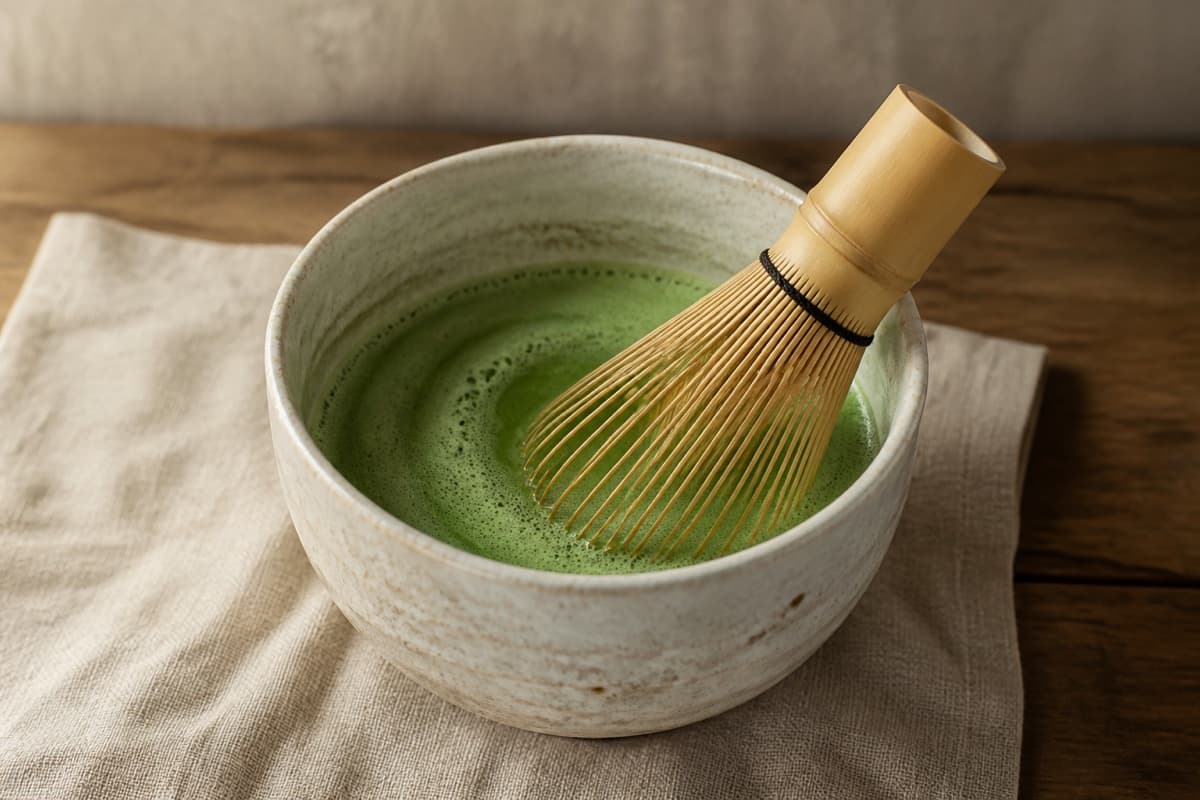
You just need a bowl, a whisk and five quiet minutes.
That's the idea behind Suko.
Three software guys.
Too much work. Too much sugary tea.
One strange green drink from Japan.
And a question:
Can we bring a little more calm into everyday life in India?
We're going to try. And we're just getting started.
— Goutham, Umesh & Rineeth
Founders, SUKÖ