

Suko Matcha — Japanese Matcha in India


OUR PROMISE
We’re here to make authentic Japanese matcha more accessible in India, carefully sourced, thoughtfully handled, and held to the standards it deserves. As Suko grows, our commitment to quality, authenticity, and integrity remains unchanged.
A daily cup, backed by Growing Research.
Focus under pressure
Research has observed improvements in alertness, attention switching and accuracy when caffeine and L-theanine are consumed together.Caffeine and L-theanine, studied together for attention.
A pre-workout cup
Early research observed greater fat use during a 30-minute brisk walk and is also exploring fatigue and training adaptation.Early research explores movement, fuel use and training.
Beyond caffeine
Research examines matcha’s tea catechins, including EGCG, for their antioxidant activity.Catechins such as EGCG are studied for antioxidant activity.
Inside the gut
Early research observed wider changes in gut bacteria after two weeks of matcha. What those changes mean is still being studied.Researchers are exploring matcha and the gut microbiome.
New to matcha? Start with one serving a day. Most healthy adults choose one to two.Read the serving guide →
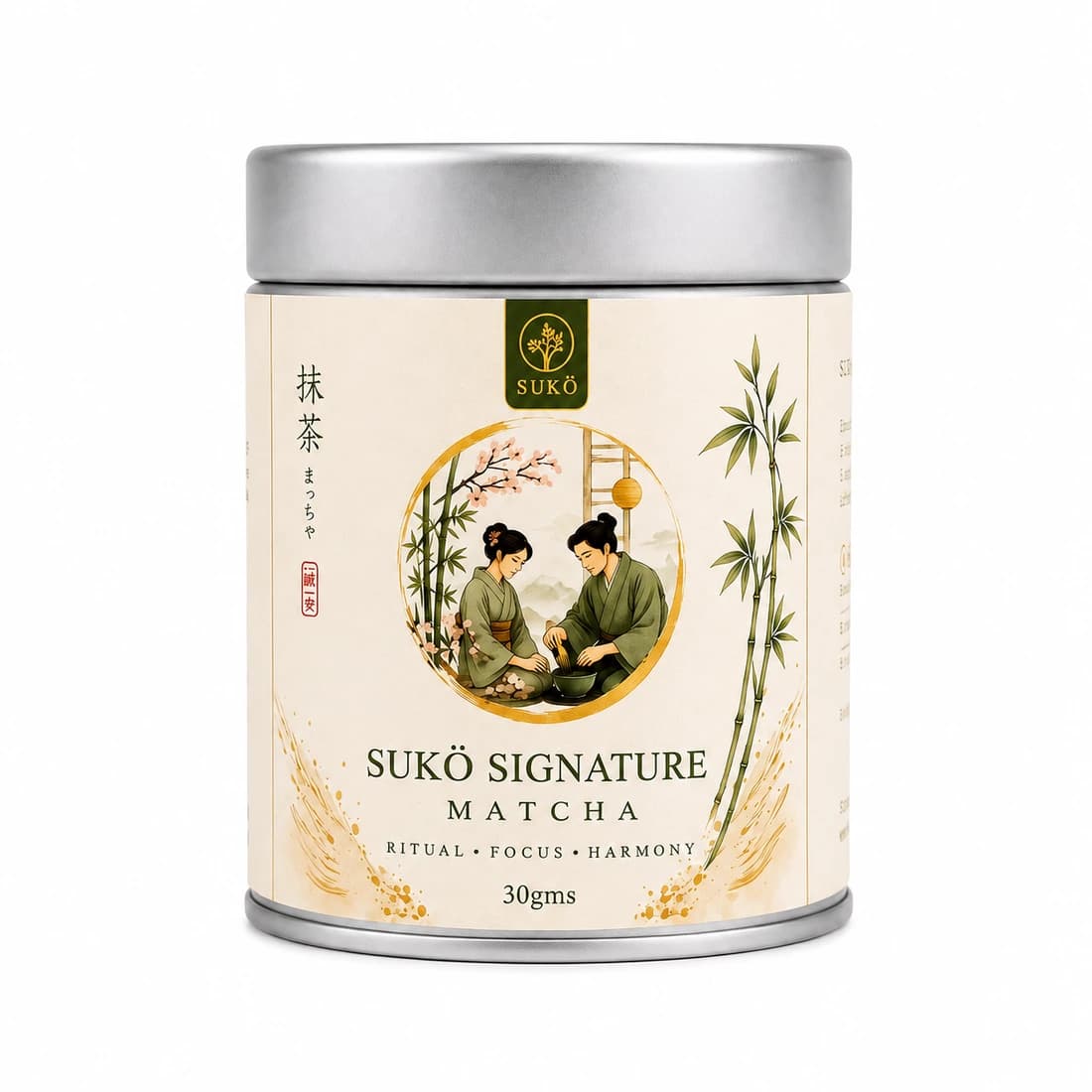
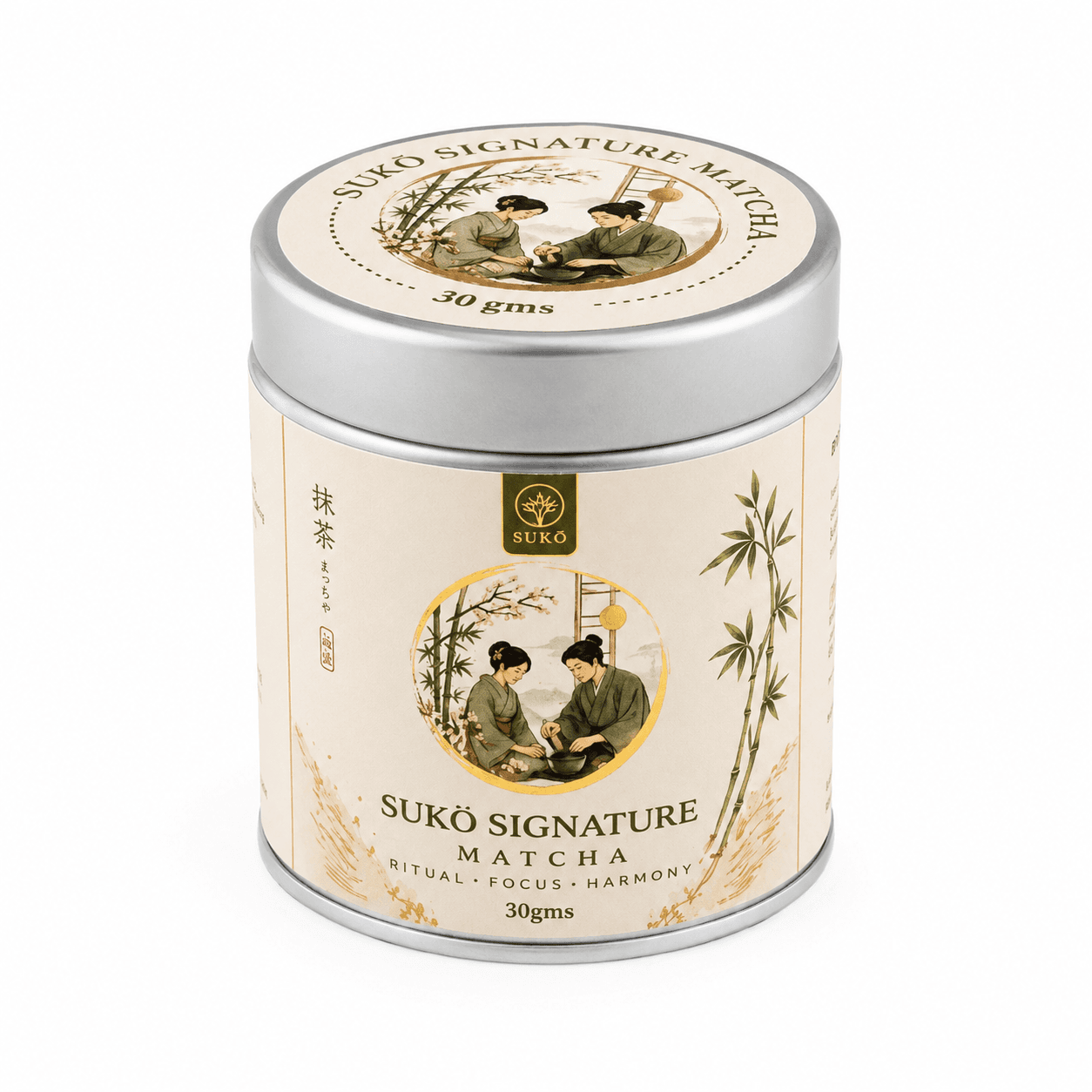
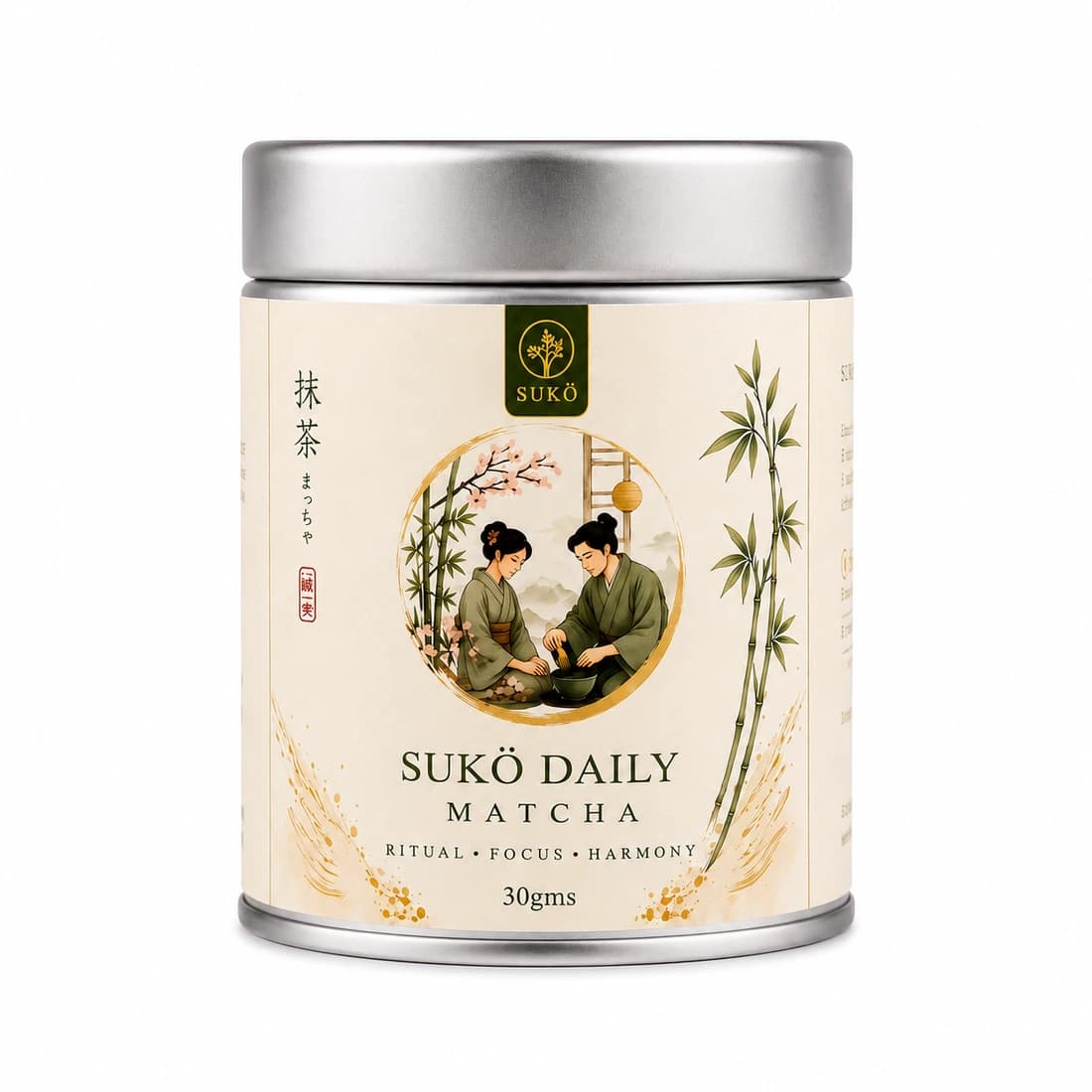
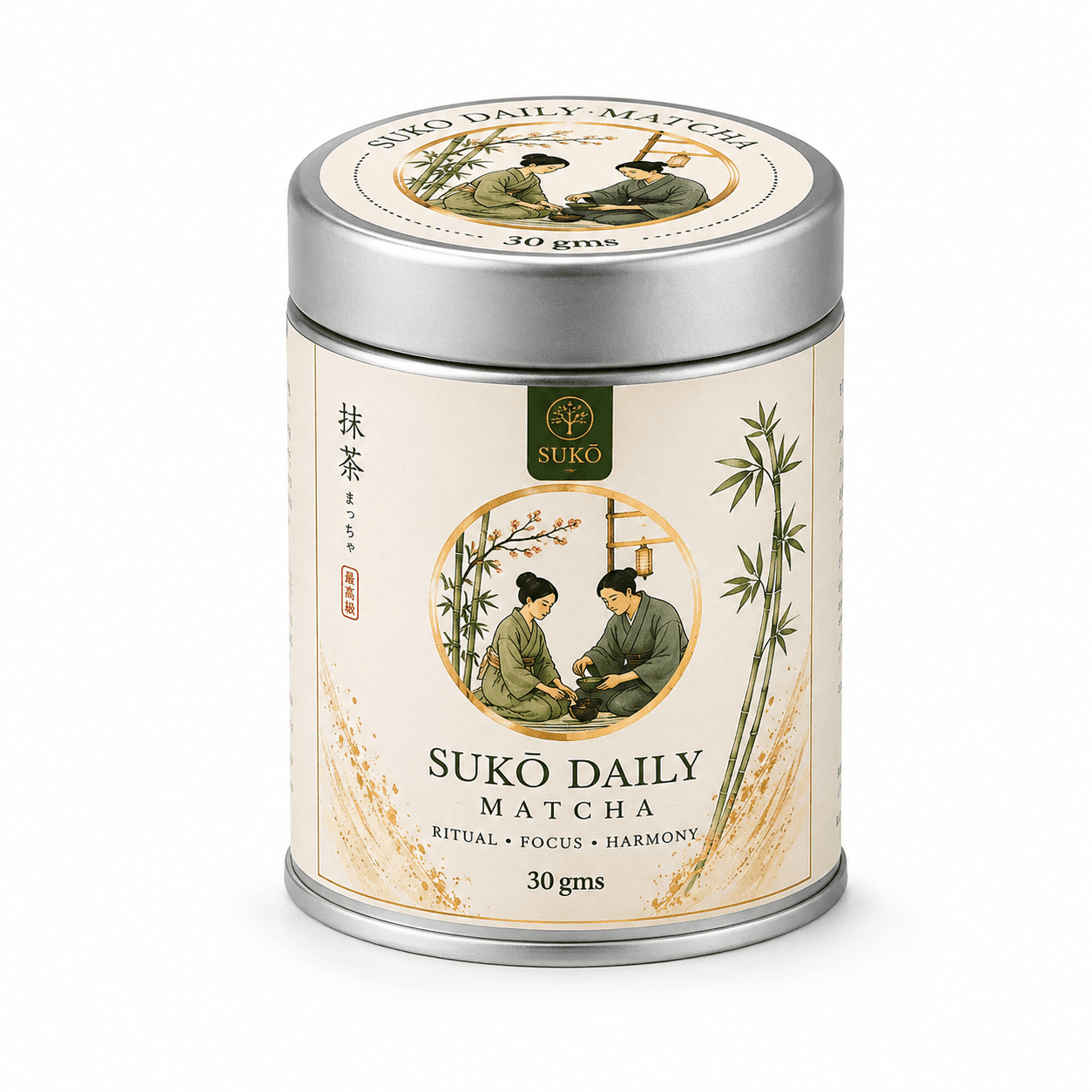
Product 1 of 8

Matcha explained
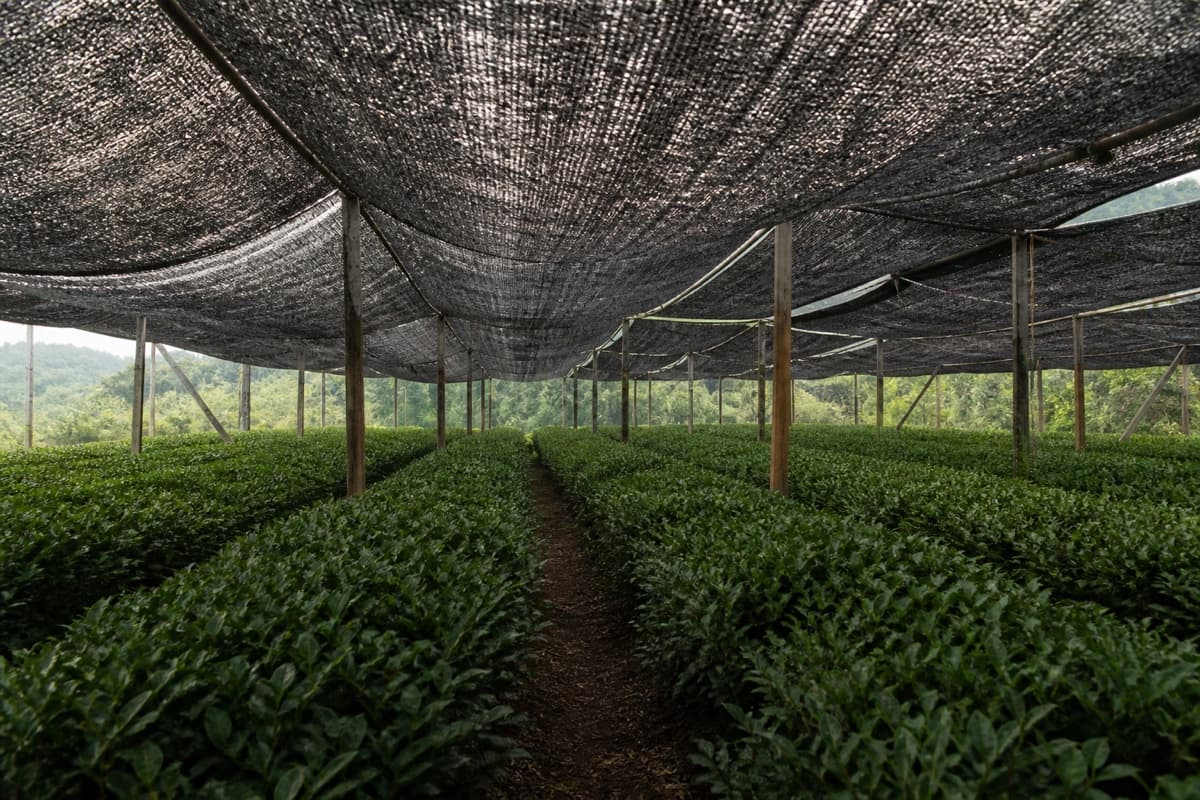
01
Grown in shade
Tea plants are shaded before harvest to shape the colour and flavour of the leaves.
02
Made into tencha
The harvested leaves are processed and prepared for milling.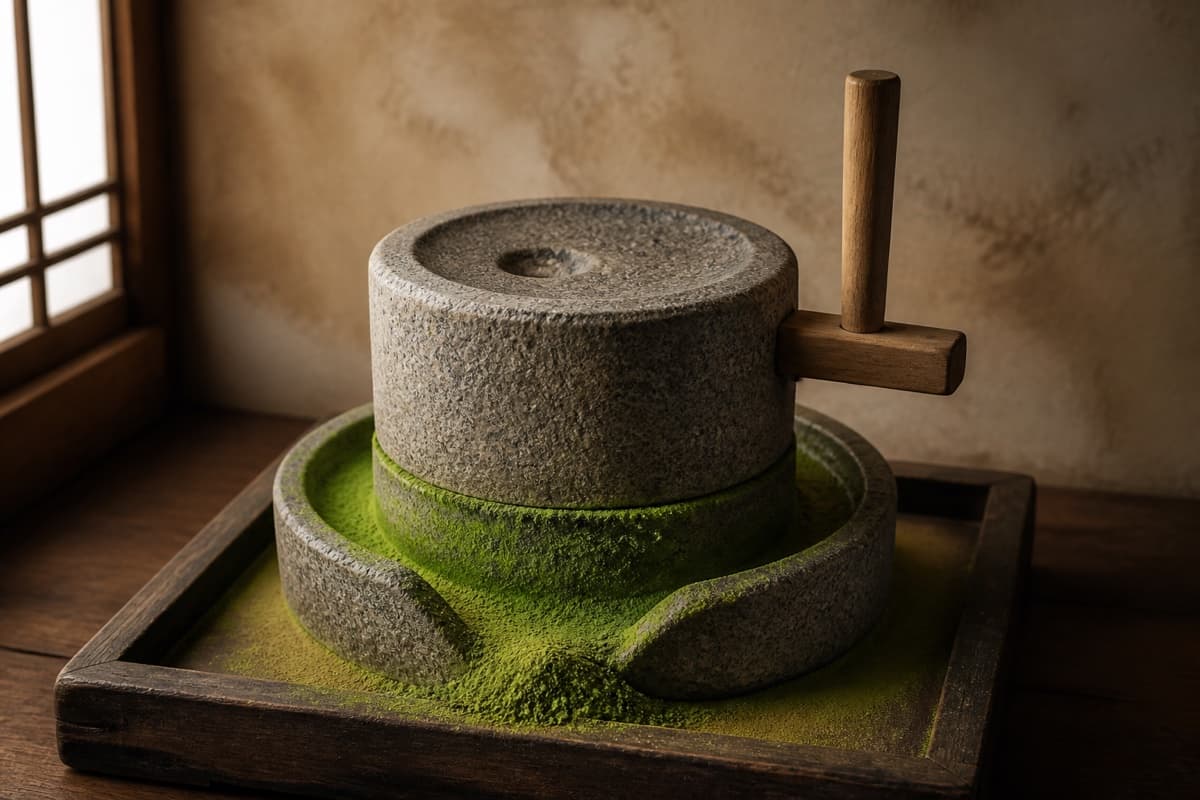
03
Milled into matcha
Tencha is ground into the fine green powder whisked directly into your bowl.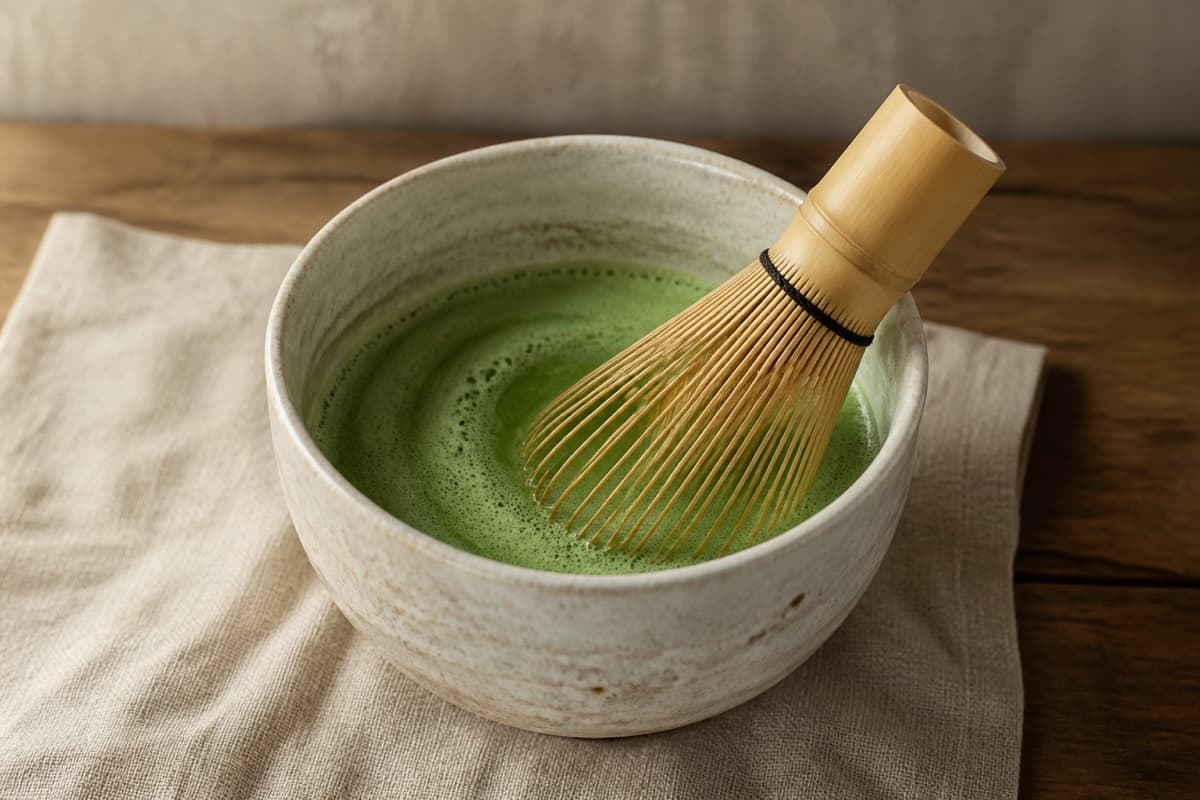
04
Whisked your way
Prepare it with water, pour it over milk, or make the ritual your own.
Using any story control stops automatic rotation.
Dive into Matcha Journey
AbbiramiSuko customer
5 / 5 · CUSTOMER REVIEW
“It was really good and the quality of matcha and the packaging was really great”Read full review
MATCHA FAQ
Questions, answered.
What is matcha?
Matcha is finely ground Japanese green tea. Unlike brewed tea, the powdered leaf itself becomes part of the drink.
Can I drink Suko matcha with milk?
Yes. Matcha can be prepared with dairy or plant-based milk, served iced, or used in recipes.
Can I drink Suko matcha without milk?
Yes. Matcha can be whisked directly with water and enjoyed without milk.
Does matcha contain caffeine?
Yes. Matcha naturally contains caffeine because it comes from the tea plant.
The amount varies depending on serving size and tea characteristics.
Is matcha healthy?
Matcha is a food and beverage rather than a medicine. We do not make promises about treating or preventing disease.
How much matcha should I use?
Follow the preparation guidance on your specific Suko product packaging and adjust the drink to your taste.
How should I store matcha?
Keep the package tightly sealed and protect it from heat, moisture, light and strong odours.
Follow the storage guidance supplied with the product.
Why is matcha more expensive than regular green tea?
Matcha involves specialised cultivation, processing, refinement and milling, and you consume the powdered leaf rather than steeping and discarding it.
Premium matcha can therefore involve significantly more care before it reaches your cup.
Do I need special equipment?
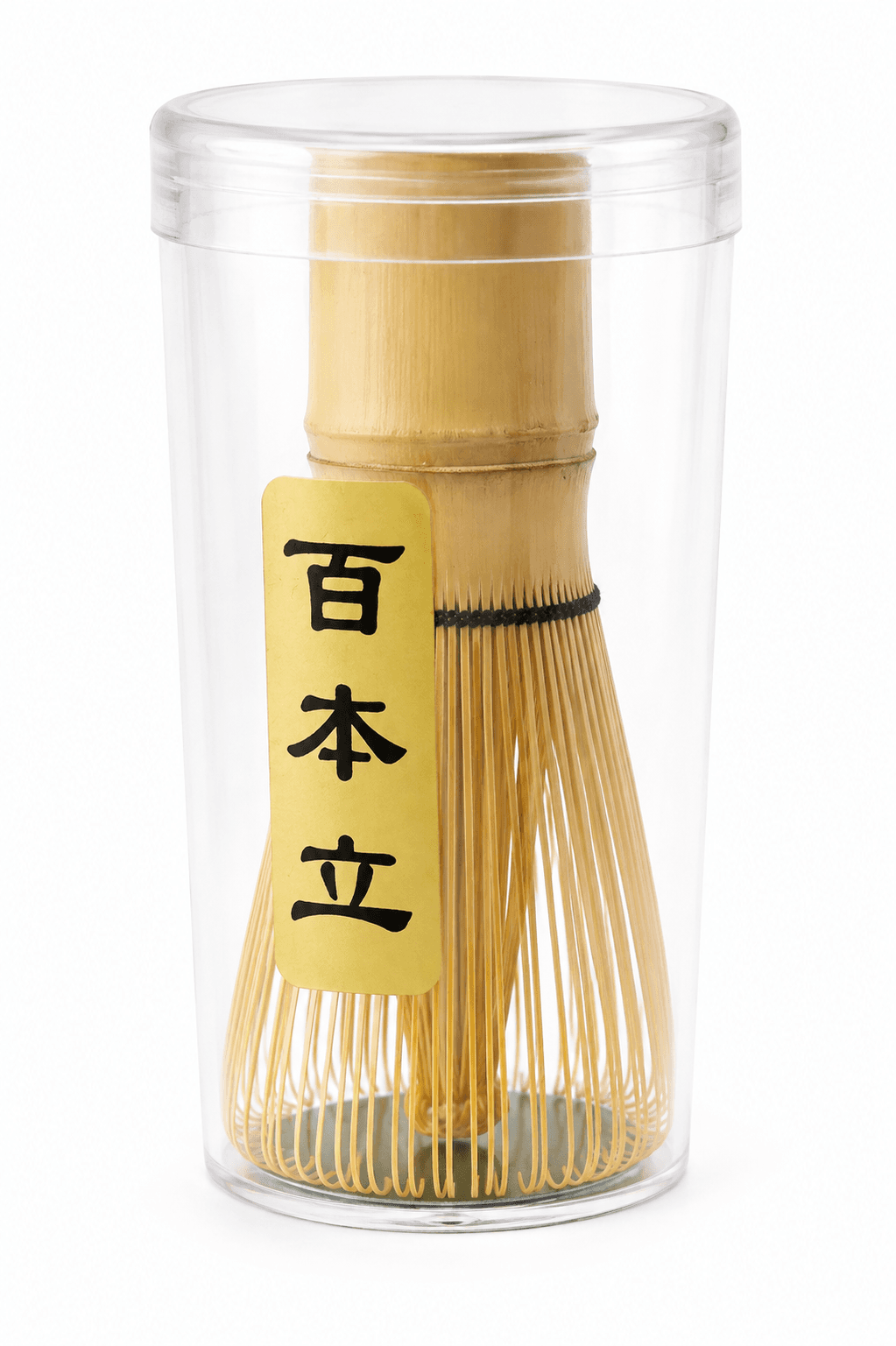
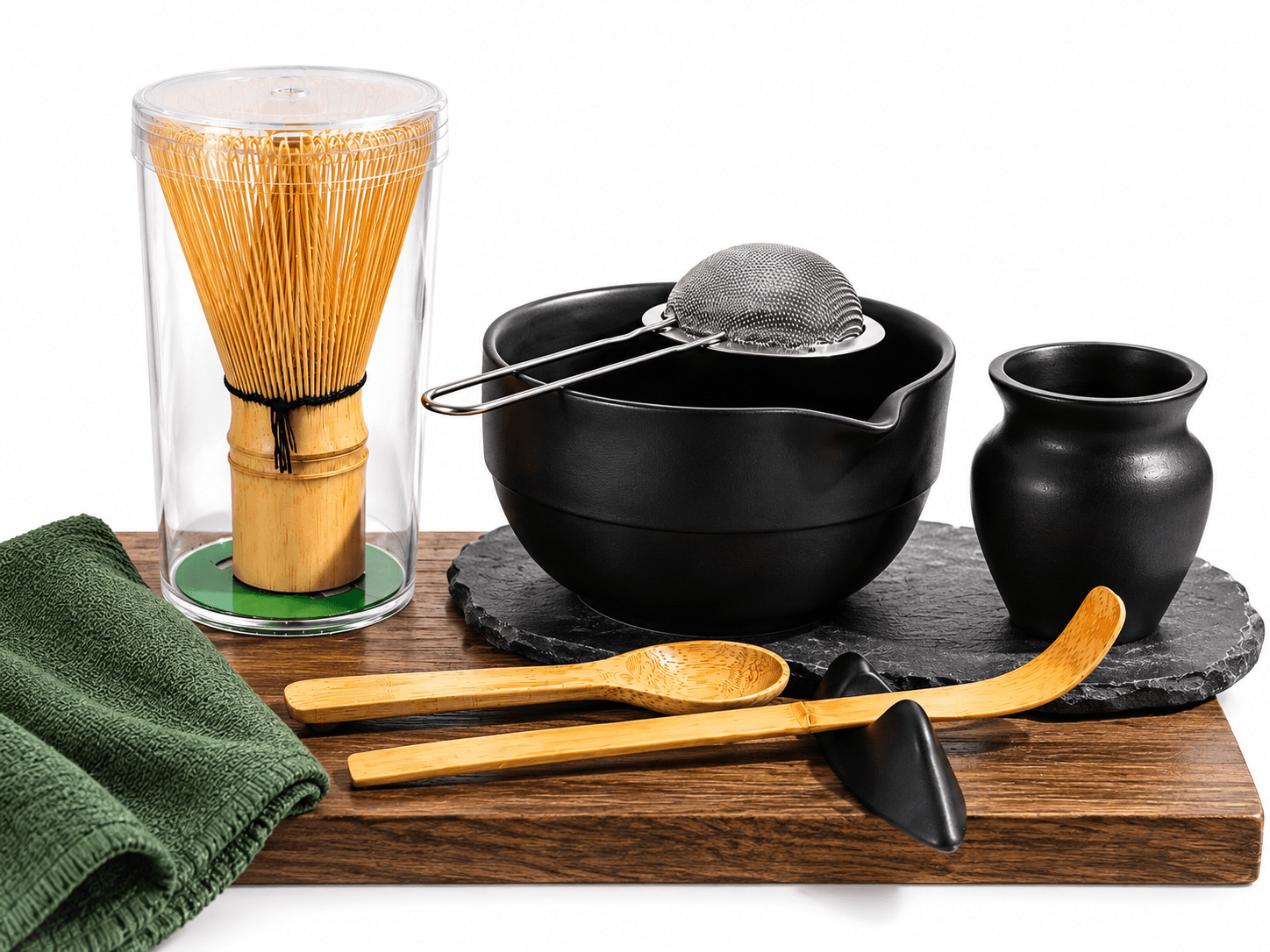
Not to start. A whisk is helpful, but you can begin with whatever preparation method works for you.