List3 min read
Why is matcha trending now? 5 reasons India can't stop drinking green
Searches for “how to make matcha” are up about 1,300% in India. Here's what's really behind the green wave, and why it's sticking.
Quick answer
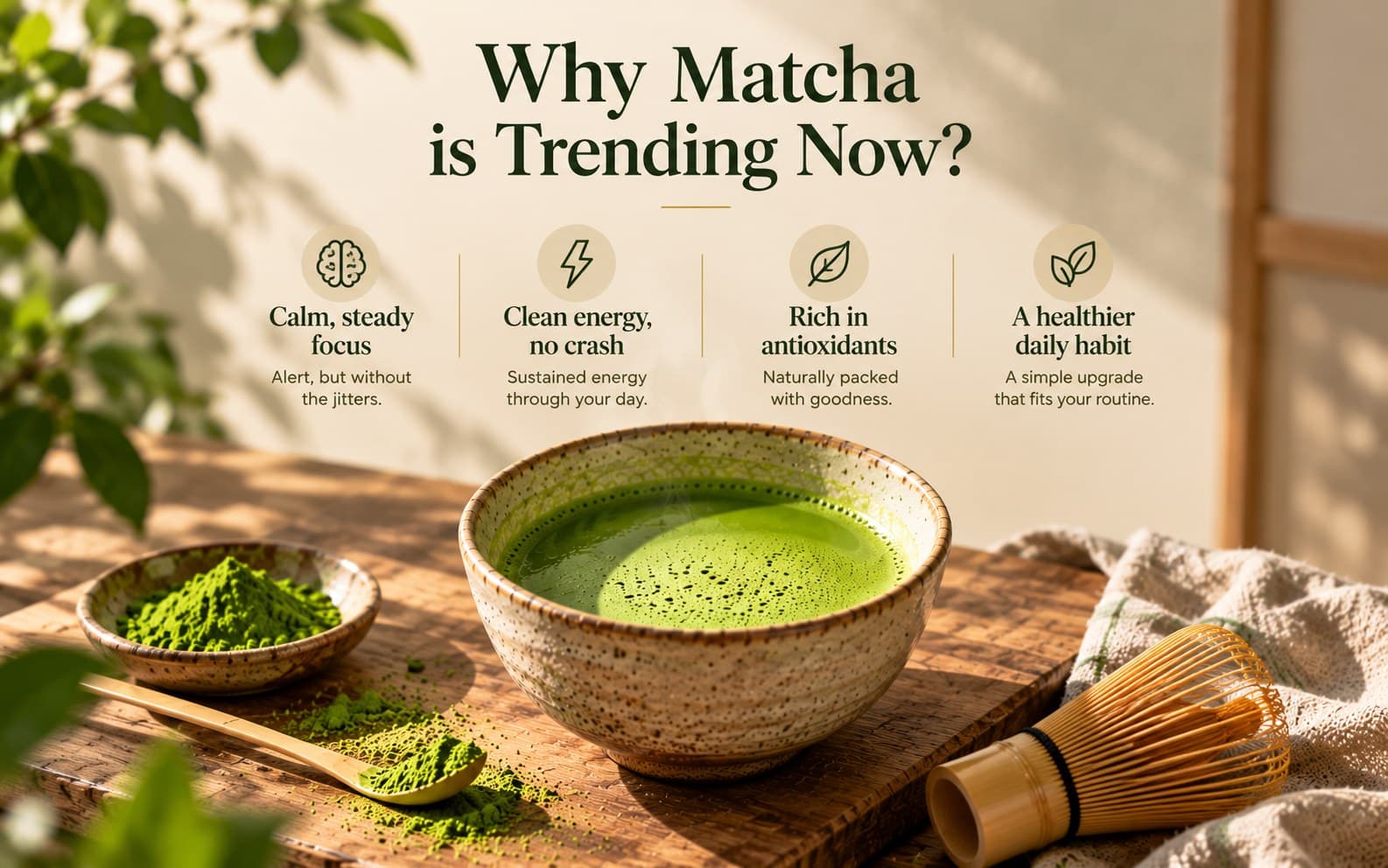
Matcha is trending in India because people want calmer energy than coffee gives them, it looks beautiful, it pairs with fun flavours like strawberry and mango, and making it is a two-minute ritual you can do at home for far less than a café drink. Google Trends data shows searches for “how to make matcha” up about 1,300% in a year.
Key takeaways
- “How to make matcha” searches in India are up about 1,300% in a year.
- People want calmer energy, beautiful drinks and an easy home ritual.
- The searches still climbing are practical ones: a sign it's becoming a habit.
A few years ago, ordering matcha in India got you a blank stare. Today your colleague has a bamboo whisk on her desk and your cousin is asking whether it has caffeine.
This isn't a feeling. It shows up clearly in what India is searching for.
- how to make matcha+1,300%
- strawberry matcha+400%
- mango matcha+200%
- does matcha have caffeine+70%
Growth in Google searches in India, as reported in 2026 [1] [2].
On top of that, “matcha vs coffee” and “matcha whisk” were breakout searches (a sudden surge from almost nothing), and hojicha, matcha's roasted cousin, hit an all-time high [1] [3]. Even coffee chains are riding it: Third Wave Coffee says matcha lattes are among its top sellers across 119 Indian cafés [4].
Notice the biggest bar. People aren't asking what matcha is anymore. They're asking how to make it.
The 5 reasons behind the green wave
1. The coffee crash got old
A cup of matcha has about as much caffeine as an espresso shot, but drinkers describe the lift as calmer and steadier, often credited to its L-theanine. Early research is promising [5]. Curious? Read matcha vs coffee.
2. It's the most beautiful drink on your feed
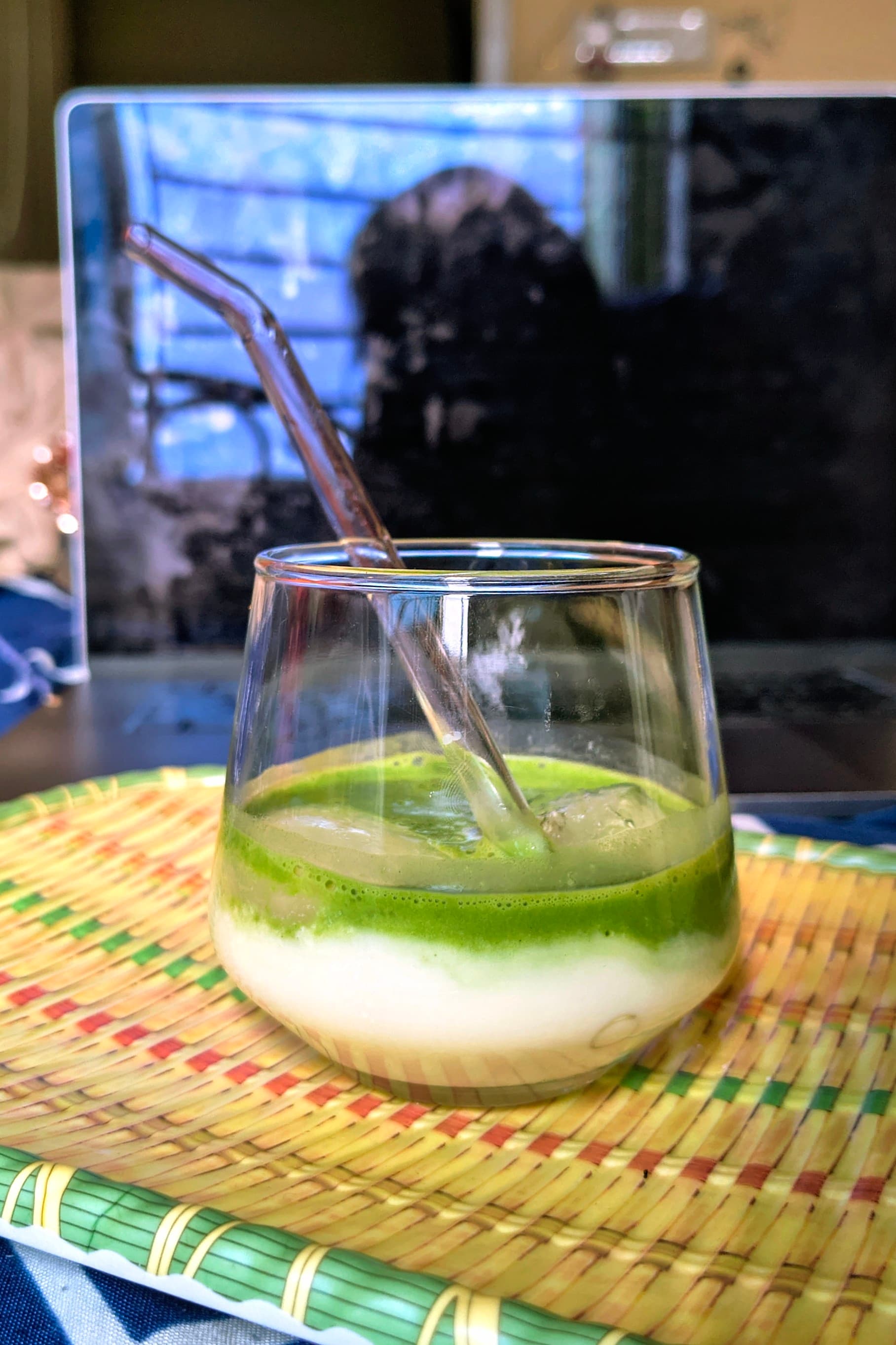
That vivid green swirling through milk and ice is impossible to fake. Every iced matcha posted is a tiny advert for the next person to try one.
3. It loves flavours
Strawberry, mango, roasted hojicha: matcha's fresh, savoury-sweet taste pairs with almost anything, so it never gets boring.
4. Two minutes off-screen
Sift, whisk, watch the foam rise. A small ritual in a day full of notifications, and the reason people keep at it.
5. The café drink you can make at home
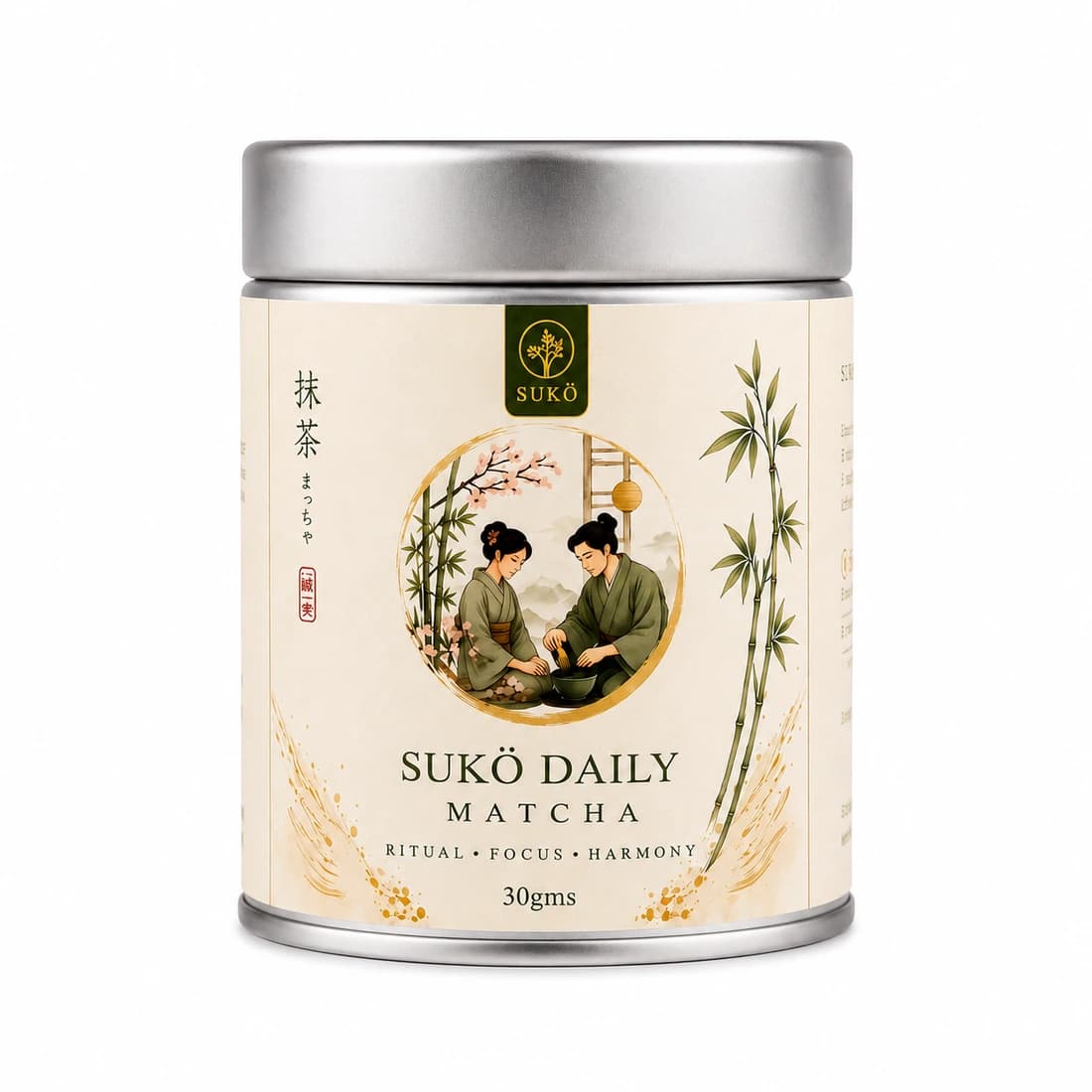
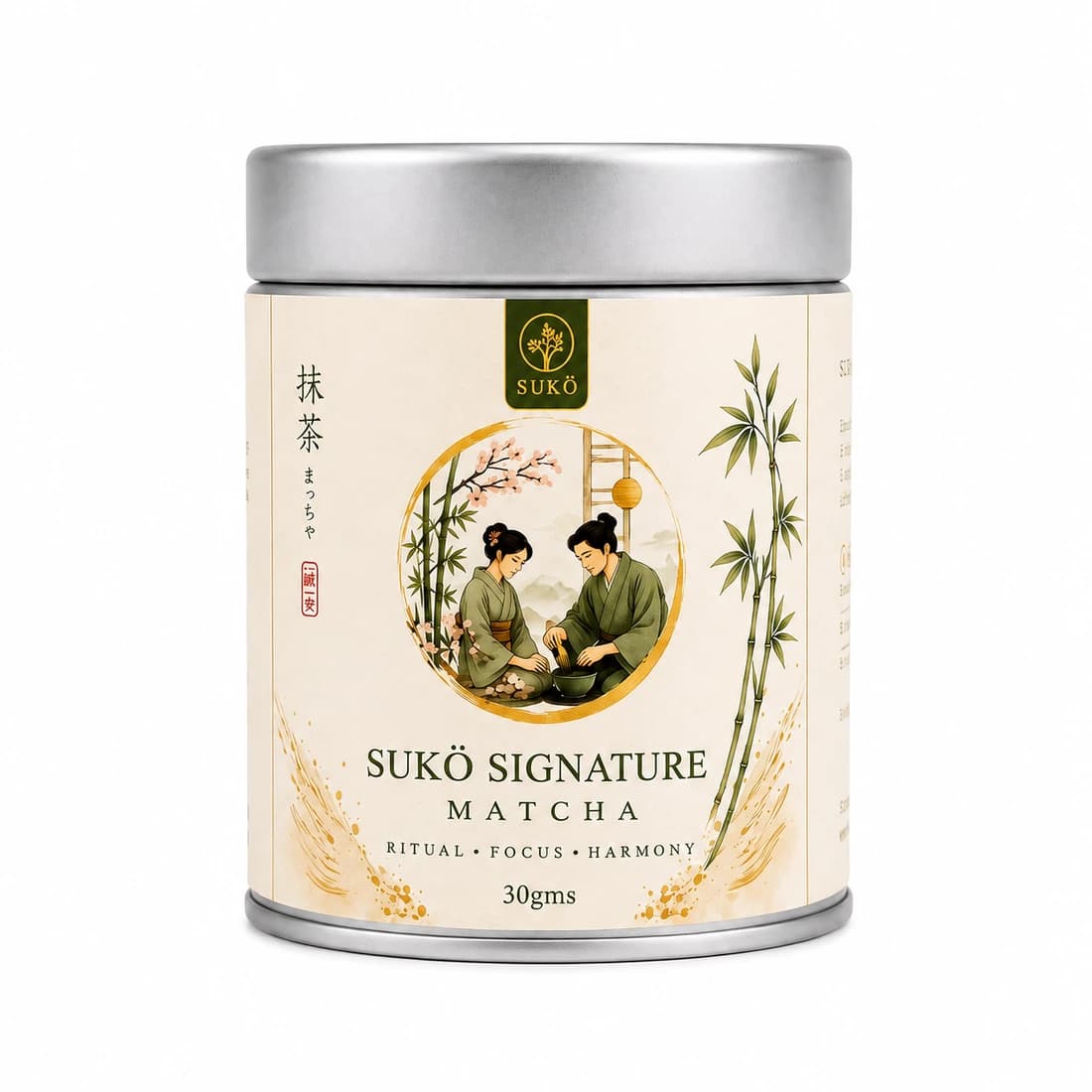
At about 2 g a cup, a 30 g tin of Suko Daily makes around 15 cups, roughly ₹53 each. A fraction of a café latte, without the queue.
“Trends come and go. Rituals stay.”
Has the hype peaked?
Some in the industry think the loudest buzz peaked around mid-2025 [2]. But the searches still climbing are the practical ones: how to make it, which whisk, which bowl. That isn't hype. That's people making matcha part of their day.
Ready to try it? Our 2-minute guide to making matcha at home has you covered.
Your first matcha, made easy
FOR FINDING YOUR MATCHA
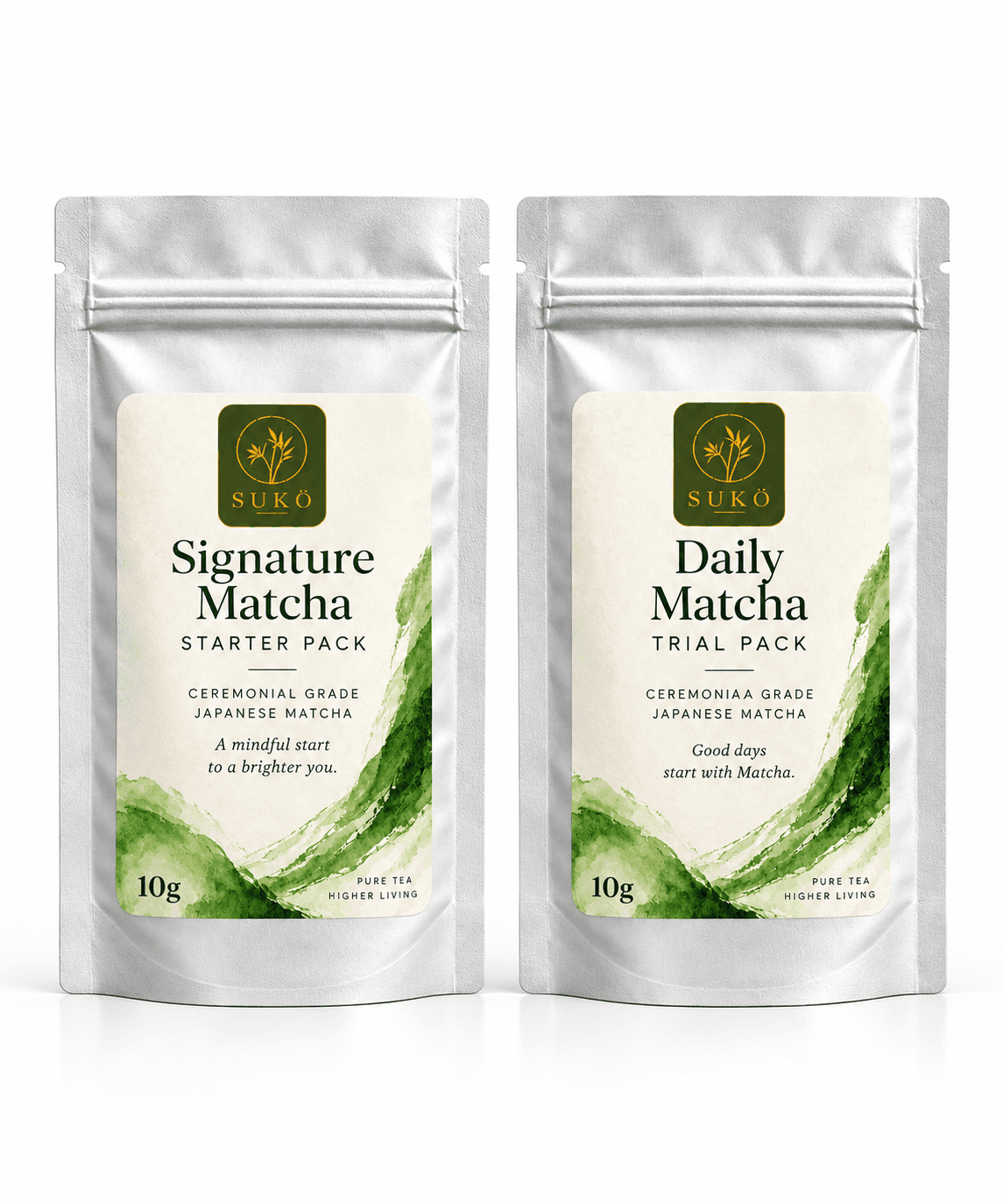
Suko Matcha Duo Trial Pack · 20g
10 g of Signature and 10 g of Daily, about 10 cups, so you can taste both and find your favourite.
Questions people ask
Is matcha just a social media trend?
The buzz started online, but the searches still rising are practical ones, like how to make matcha and which whisk to buy. That's what a habit looks like.
Does matcha have caffeine?
Yes. A typical 2 g cup has roughly 40–90 mg, about as much as an espresso shot, and many people find it feels calmer than coffee.
What's the easiest way to start?
An iced or hot matcha latte: whisk 2 g of matcha with 30 ml of warm water, then top up with milk.
Sources
- Matcha goes mainstream as Google searches in India jump 1,300 per cent · DT Next
- Is matcha replacing your daily coffee? Google Search trends point to a major shift · Business Today
- Matcha, ube and hojicha searches surge across India, Google Trends shows · T2 Online
- The Matcha Report 2026 · World Coffee Portal
- The combined effects of L-theanine and caffeine on cognitive performance and mood (Owen et al., 2008) · Nutritional Neuroscience
Shop this article
Keep reading
Explore the Journal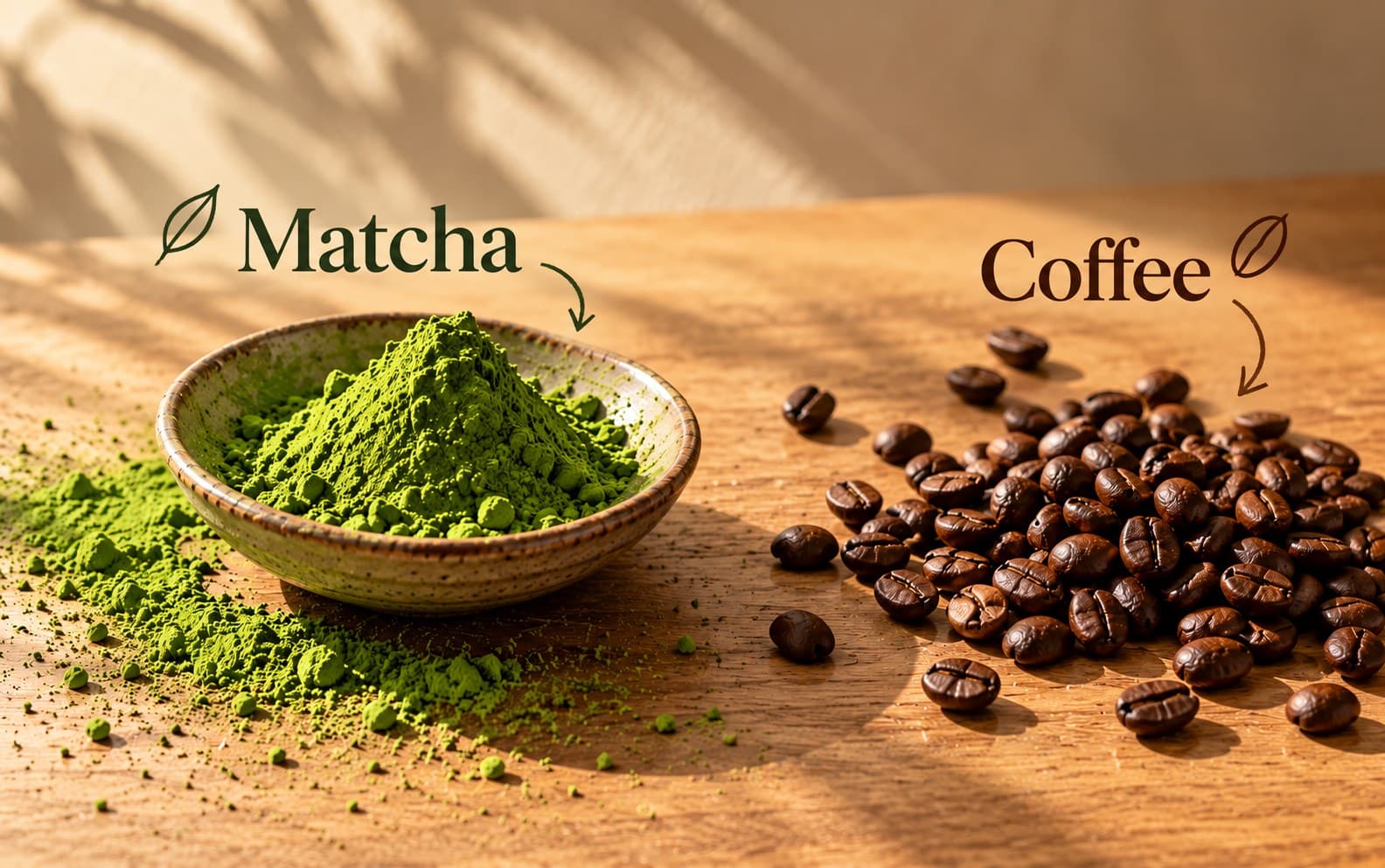 Matcha 1016 min read
Matcha vs coffee: what really happens when you switch
Same desk. Same deadline. Two very different cups. Here's what changes in your caffeine, your energy, your taste buds and your wallet.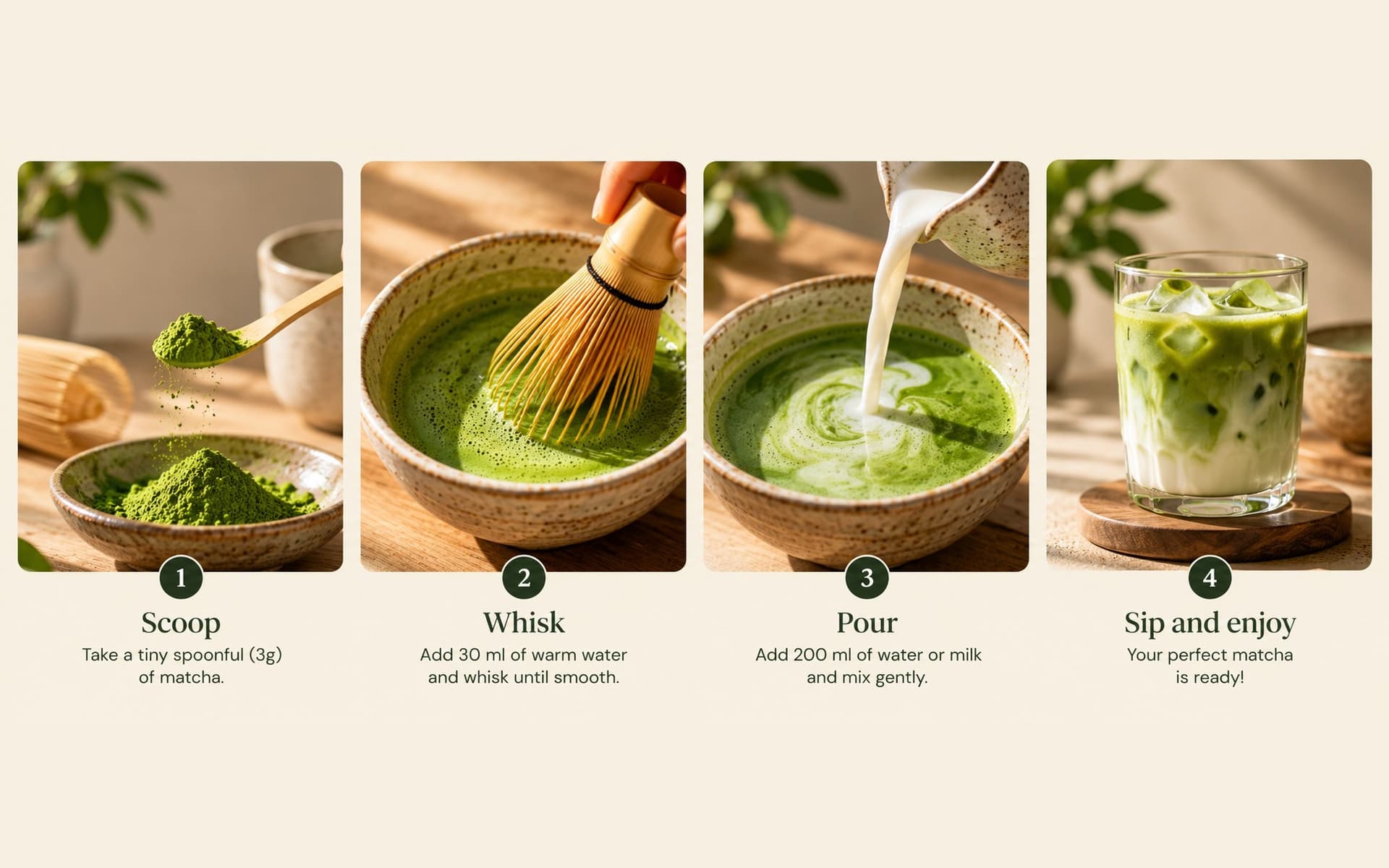 Brewing3 min read
How to make matcha at home: the 3 secrets to a perfect cup
Lumpy, bitter matcha? It's not you, it's the method. Three tiny secrets for a smooth, bright, café-quality cup in 2 minutes: hot, latte or iced.Make it at home