
Guide5 min read
Best Matcha in India: How to Choose (A Simple Buying Guide)
Ceremonial or culinary? Why do prices vary so much? Here's how to choose good matcha in India, what to check on the pack, and how to test it at home.
Quick answer
For drinking, choose ceremonial-grade matcha from Japan that is bright green, ideally first harvest, in an airtight tin you'll finish within a month or two. Compare price per gram, not per pack: real ceremonial matcha can't be very cheap. Use culinary grade only for baking or smoothies.
Key takeaways
- Ceremonial grade is for drinking; culinary grade is for baking and smoothies.
- Good matcha is vivid green, smells sweet and grassy, and tastes smooth with water.
- Look for Japanese origin, ideally with the region (Uji, Shizuoka or Kagoshima).
- Compare price per gram, and buy a size you'll finish within 1–2 months of opening.
- One cup uses about 2g, so even ceremonial matcha costs less per cup than most café lattes.
Matcha has exploded in India, and so have the options. Some tins cost a few hundred rupees, others a few thousand, and almost all of them say "premium". Here's how to tell what you're actually buying, so your first cup tastes the way matcha should.
Ceremonial vs culinary: the one difference that matters
Ceremonial grade is made from the youngest, most tender leaves, usually from the first harvest of the year. It's bright green, naturally sweet, and smooth enough to drink with just water.
Culinary grade comes from later harvests and older leaves. It's more bitter and less vibrant, which is fine for baking or smoothies, where sugar and other flavours cover it up.
If you're going to drink your matcha, as a bowl, a latte or an iced matcha, choose ceremonial grade. Bitterness is the number one reason people say they "don't like matcha", and it usually comes from the wrong grade.
5 things to check before you buy
1. Where it's from
Japan is the home of matcha, and the best-known regions are Uji (Kyoto), Shizuoka and Kagoshima. A good brand tells you the country and ideally the region. If a pack doesn't say where the tea is from, ask why.
2. The colour
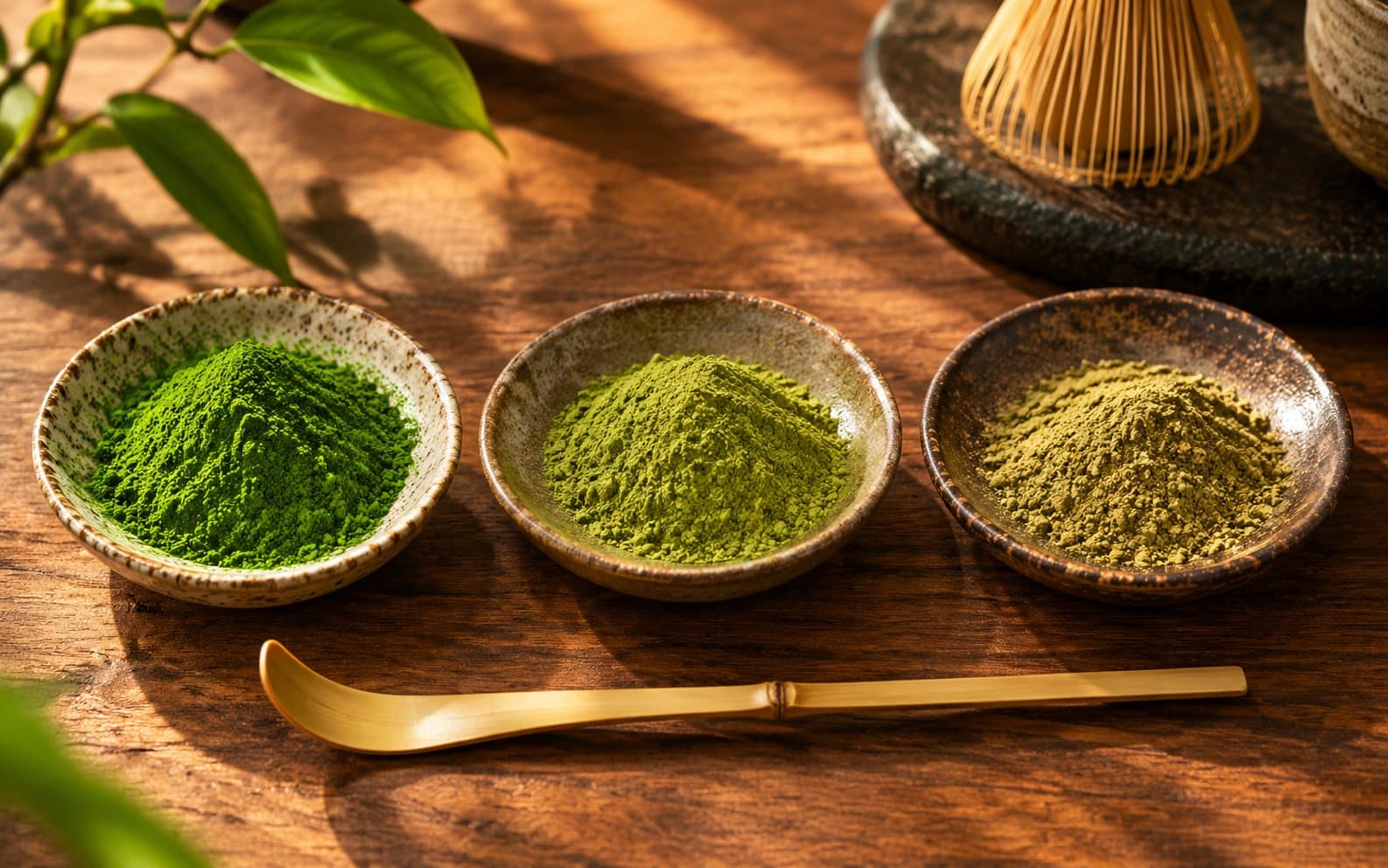
Good matcha is a vivid, almost electric green. A dull, yellowish or brownish powder usually means lower-grade leaves or old, oxidised tea.
3. The harvest
First-harvest matcha (ichibancha) is the sweetest and smoothest. If a brand mentions the harvest, that's a good sign they know their tea.
4. The packaging
Matcha loses its colour and flavour quickly once it meets air, light and heat. Look for an airtight tin, and a size you'll finish within a month or two of opening. A 30g tin is plenty for most people.
5. The price per gram
Compare price per gram, not price per pack. Real ceremonial-grade matcha takes weeks of shading, careful hand-picking and slow stone-grinding, so it can't be dirt cheap. A very low-priced "ceremonial" matcha is often culinary grade with a better label.
What good matcha costs in India
As a reference point, here's what we charge and what you get for it:
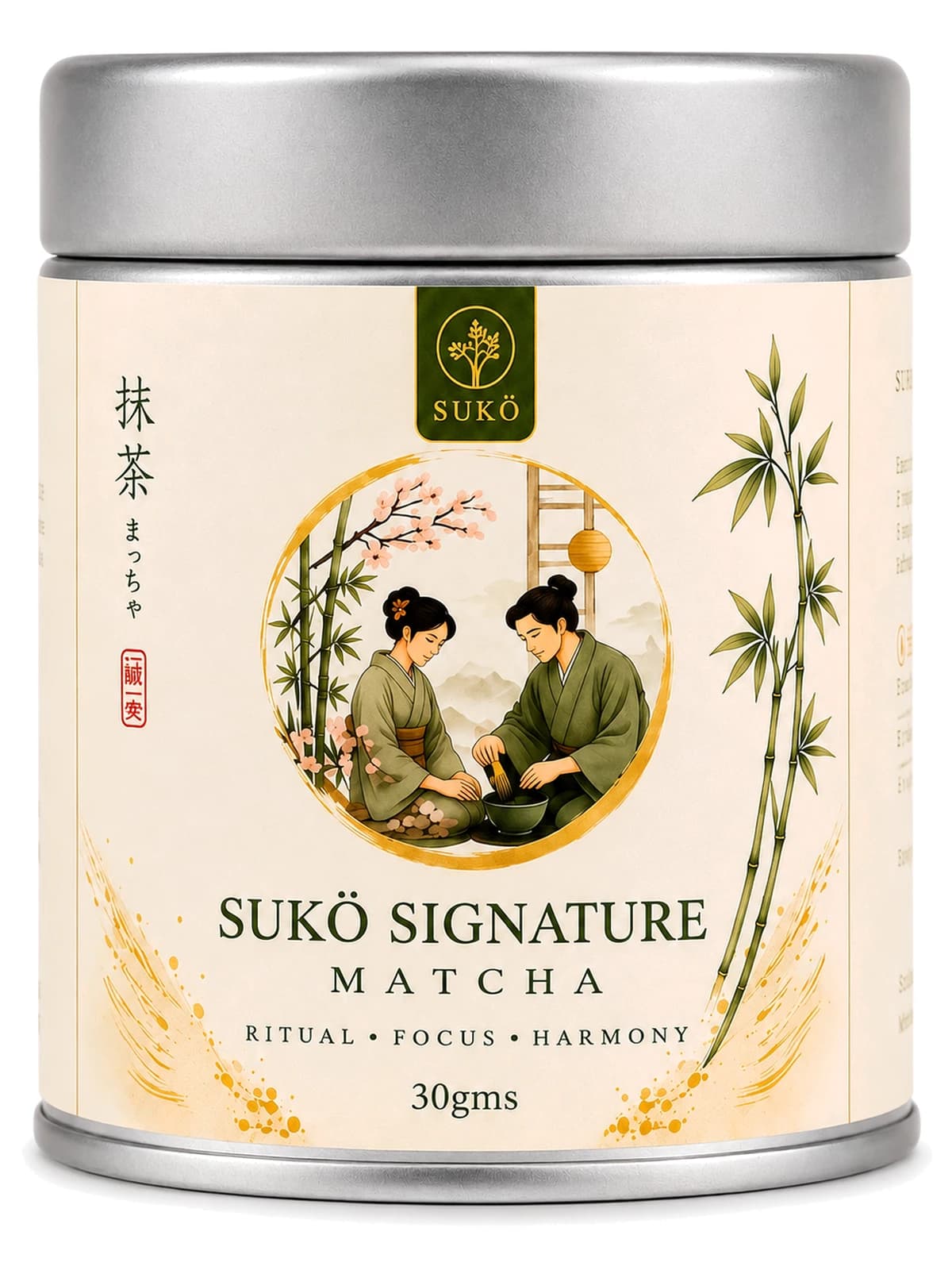
- SUKO Signature Matcha: ₹1,199 for 30g (about ₹40 per gram). Ceremonial Grade AA, first harvest, from Shizuoka. Made to be enjoyed with just water.
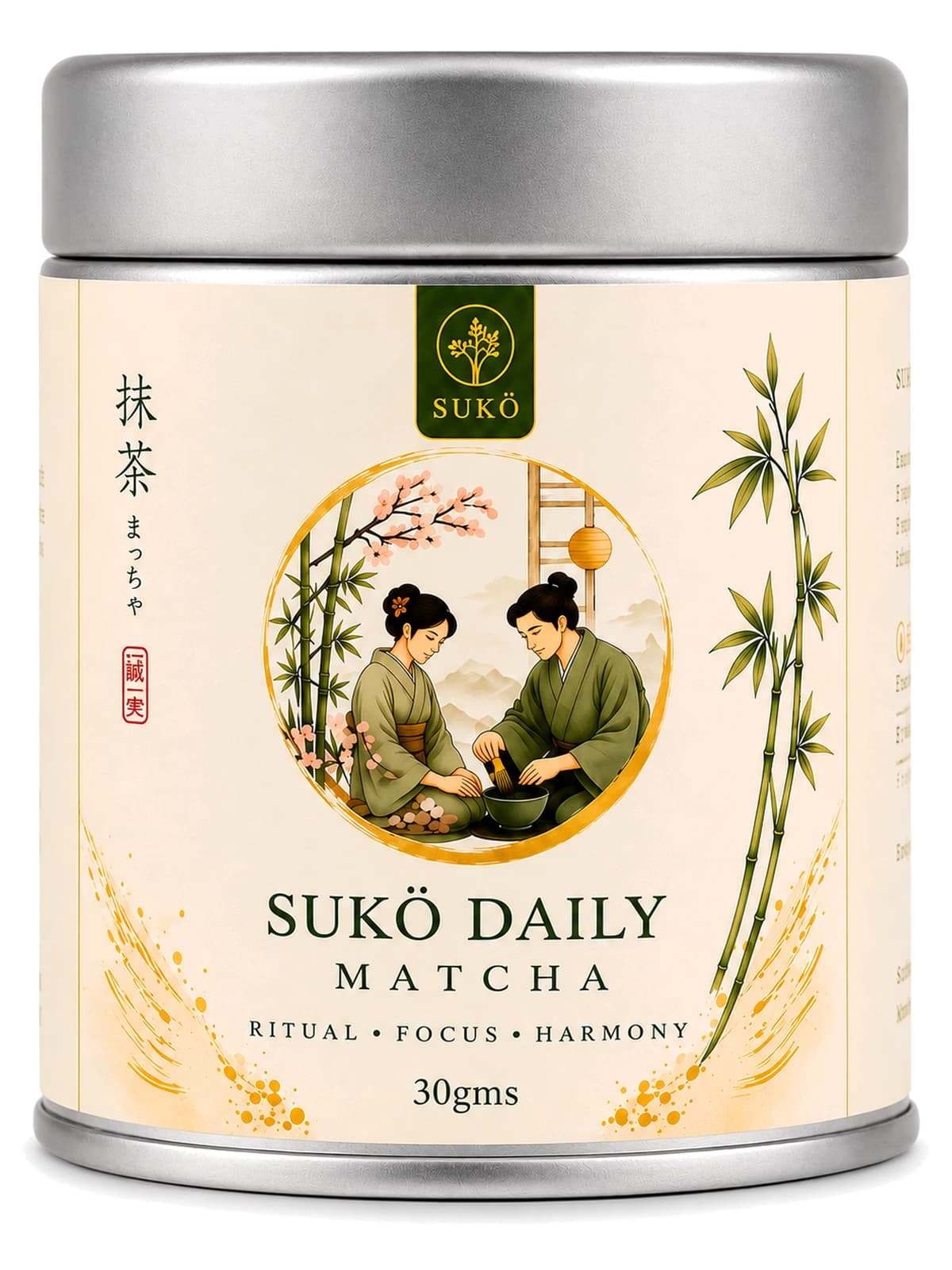
- SUKO Daily Matcha: ₹799 for 30g (about ₹27 per gram). Ceremonial grade from Shizuoka, made for everyday lattes and iced matcha.
- SUKO Matcha Duo Trial Pack: ₹399 for 10g of each. The easy way to taste both before choosing a full tin.
One cup of matcha uses about 2g, so even a ceremonial tin works out to roughly ₹55–80 a cup, less than most café lattes.
How to test your matcha at home
- Look: tip a little onto white paper. It should be bright green and very fine, like eyeshadow.
- Smell: fresh matcha smells sweet and grassy, a little like fresh spinach or seaweed. A dusty or hay-like smell means it's old.
- Taste with water: whisk 2g with 70ml of water at about 75–80°C. Good matcha is smooth, with a savoury-sweet umami taste and only a gentle bitterness.
- Foam: fresh, high-grade matcha whisks up into a fine, creamy foam easily.
New to whisking? Our guide on how to make matcha at home covers the three secrets to a smooth cup.
Which matcha should you choose?
- You'll drink it with water: go for Signature Matcha, our smoothest and sweetest.
- You love lattes and iced matcha: Daily Matcha is made to shine with milk.
- You're not sure yet: start with the Duo Trial Pack and taste both.
Find your matcha
Questions people ask
Which is the best matcha in India?
The best matcha for you depends on how you drink it. For matcha with water, choose a ceremonial-grade, first-harvest Japanese matcha. For lattes, a ceremonial grade made for milk works best. Always check origin, colour, harvest and price per gram.
Is ceremonial matcha worth it for lattes?
Yes, if you want a smooth latte without bitterness. Culinary matcha tends to taste harsh and muddy even with milk. A ceremonial grade made for lattes, like our Daily Matcha, gives you the best of both.
How long does matcha last after opening?
Matcha is best within one to two months of opening. Keep the tin tightly closed, away from heat and light; the fridge is fine as long as the tin is airtight.
How much matcha do I need per cup?
About 2g, roughly one level teaspoon, for a single cup or latte.
Sources
- Matcha · Wikipedia
Shop this article
Keep reading
Explore the Journal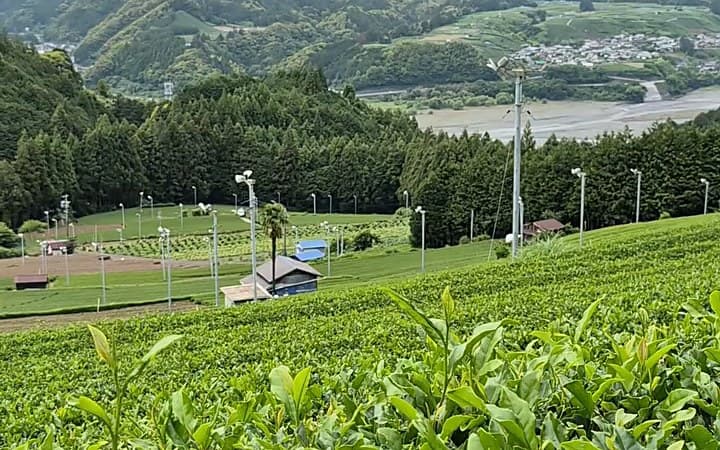 Origin & craft5 min read
What Is First Harvest Matcha? From Shaded Spring Leaves to Your Cup
Shaded fields, spring's youngest leaves and slow stone mills: how first harvest (ichibancha) matcha is grown, and why it tastes so much sweeter and greener. Guide3 min read
Why Samurai Drank Matcha: The Warrior's Tea Ritual
Long before matcha lattes, Japan's warrior class made a ritual of whisked green tea. How matcha became the drink of samurai and warlords, and why it still works today. Matcha 1013 min read