
Guide5 min read
What Is First Harvest Matcha? From Shaded Spring Leaves to Your Cup
Shaded fields, spring's youngest leaves and slow stone mills: how first harvest (ichibancha) matcha is grown, and why it tastes so much sweeter and greener.
Quick answer
First harvest matcha, or ichibancha, is made from the first tea leaves picked in spring, usually late April to May. The bushes are shaded for weeks before picking, which makes the leaves greener and sweeter with more L-theanine and less bitterness. The leaves are steamed, dried, de-stemmed into tencha and slowly stone-milled into matcha.
Key takeaways
- First harvest (ichibancha) is the first tea picked in spring, after the plants rest all winter.
- Shading the bushes before harvest makes the leaves greener and less bitter.
- Matcha is made only from tencha: steamed, dried leaves with stems and veins removed.
- Slow stone-milling protects the colour and flavour; a mill makes only a few dozen grams an hour.
- Later harvests are more bitter and less vibrant, and are mostly used for culinary matcha.
You'll often see "first harvest" on good matcha. It's not marketing fluff: it's the single biggest reason one matcha tastes sweet and silky while another tastes harsh. Here's what it means, from the tea field to your cup.
What is first harvest matcha?
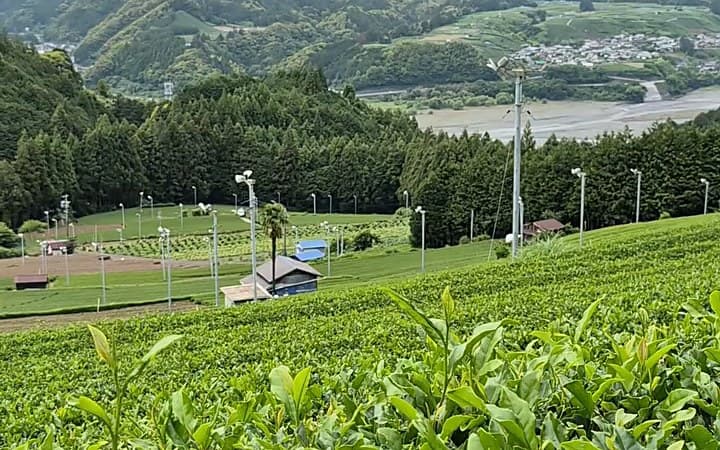
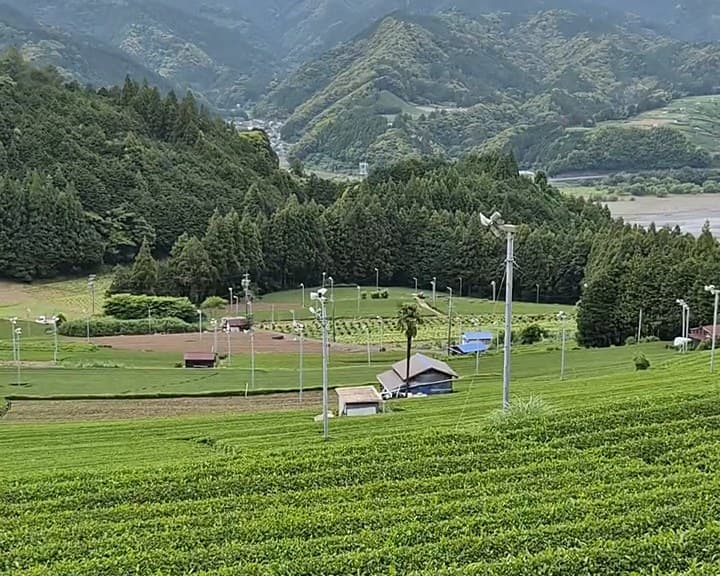
Tea bushes in Japan are picked several times a year. The first harvest, called ichibancha (literally "first tea"), is picked in spring, usually from late April into May, after the plants have rested through the winter.
Those first spring shoots are the youngest and most tender leaves of the year. They're richer in the compounds that make matcha taste good and look bright green, which is why the finest matcha is made from them.
Step 1: Shading the tea fields
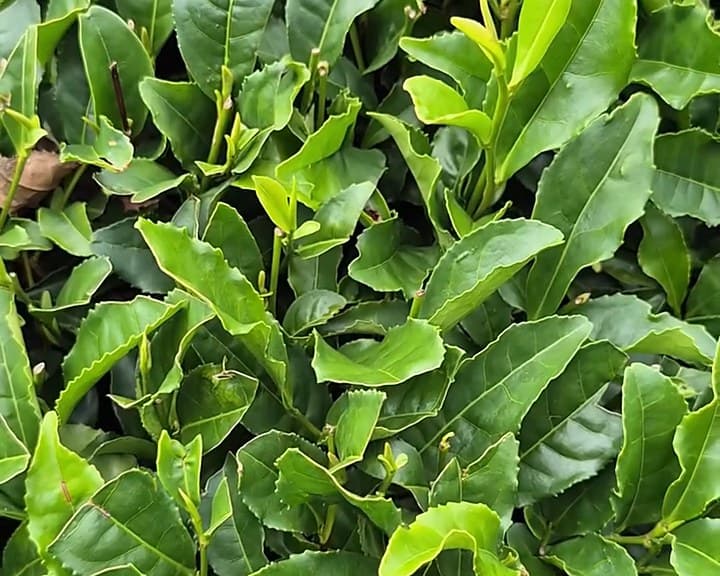
A few weeks before the spring harvest, farmers cover the tea bushes to block out most of the sunlight. Matcha is made only from these shade-grown leaves.
Shading changes the leaf in two important ways:
- More chlorophyll: the plant works harder to catch the little light it gets, so the leaves turn a deep, vivid green. That's the colour you see in a good bowl of matcha.
- More L-theanine, less bitterness: in sunlight, tea leaves turn their L-theanine (an amino acid behind matcha's sweet, savoury umami) into catechins, which taste bitter. Shade slows that down, so the leaf stays sweeter and smoother.
Step 2: Picking the youngest leaves
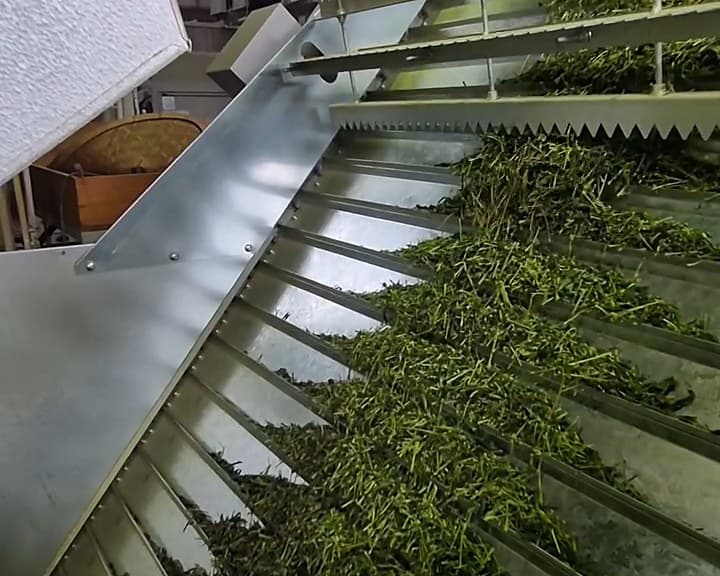
Only the newest leaves at the top of the shaded bushes are picked for the best matcha. After picking, they're quickly steamed to lock in the green colour and stop the leaves from oxidising, then dried.
Step 3: Tencha, the leaf behind matcha
Next, the stems and veins are removed, leaving only the soft, flat leaf pieces. This prepared leaf is called tencha, and it's the only tea that becomes true matcha.
Step 4: Slow stone-milling
Finally, the tencha is ground between granite millstones into a fine, silky powder. The stones turn slowly on purpose: grinding too fast creates heat that dulls the colour and flavour. A single stone mill produces only a few dozen grams an hour, which is one reason real matcha costs what it does.
Want to see the whole journey? Have a look at how matcha is made.
First harvest vs later harvests
Later pickings in summer and autumn grow in stronger sun. Those leaves have more catechins and less L-theanine, so they taste more bitter and look less vibrant. They're often used for culinary-grade matcha, for baking and cooking, where sugar and other flavours cover the bitterness.
- First harvest: vivid green, naturally sweet, rich umami, silky. Best for drinking, with water or milk.
- Later harvests: duller green, more bitter, more astringent. Best for baking and smoothies.
Not sure how to tell them apart when you shop? Our guide to choosing the best matcha in India walks you through it.
Our first harvest matcha
Both of our matchas are made from first harvest (ichibancha), shade-grown tencha from Shizuoka, Japan, and finely stone-milled, according to our supplier's specification.
- Signature Matcha: Ceremonial Grade AA, our smoothest and sweetest. Made to be enjoyed with just water.
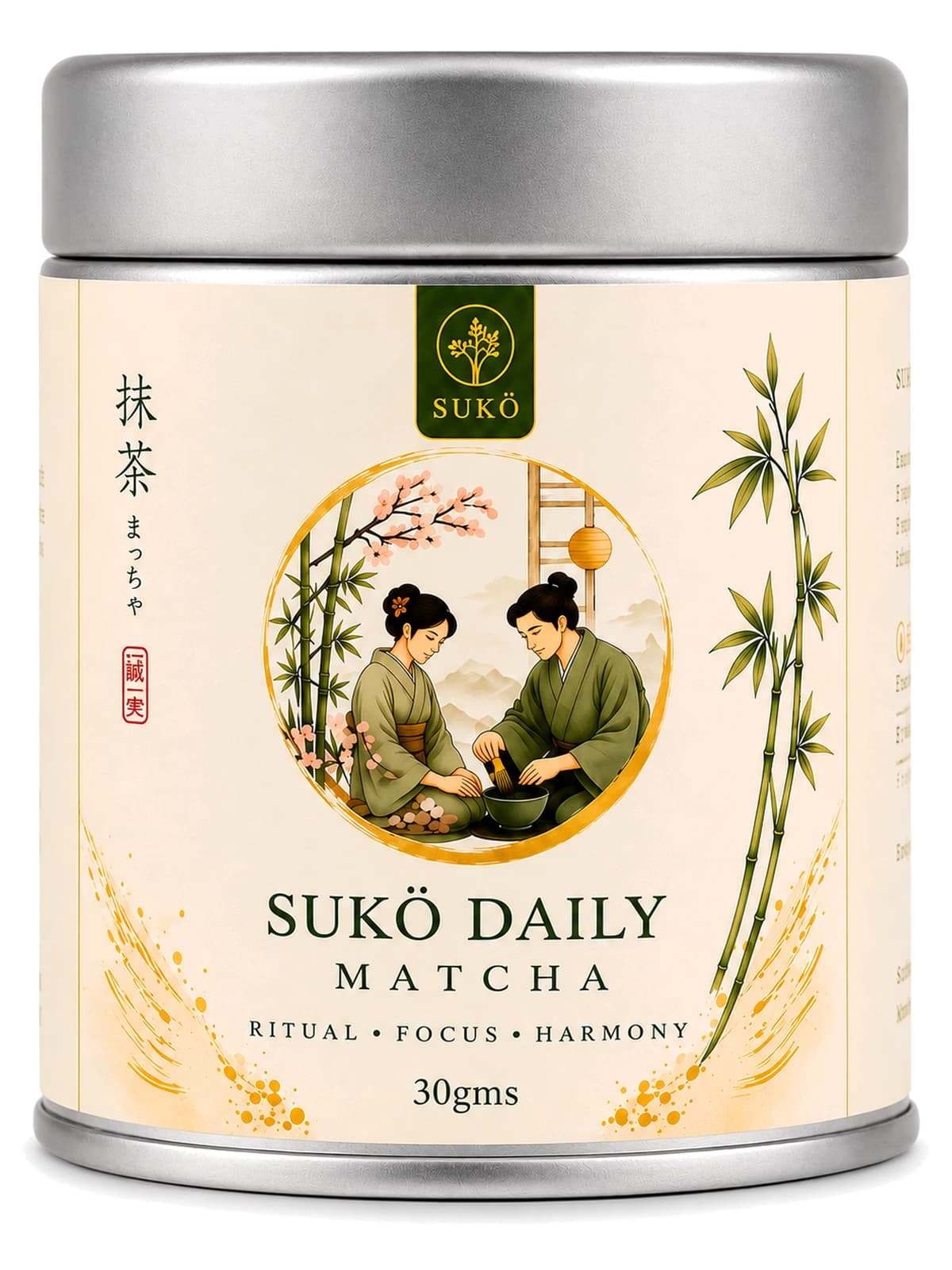
- Daily Matcha: ceremonial grade, made to shine in lattes and iced matcha.
Taste the first harvest
Questions people ask
What does ichibancha mean?
Ichibancha means "first tea" in Japanese. It's the first harvest of the year, picked in spring, and it produces the most tender, sweet and vibrant leaves.
Is first harvest matcha better?
For drinking, yes. First harvest leaves are sweeter, greener and smoother, with less bitterness than later harvests. Later harvests are better suited to baking and cooking.
Why is matcha shade-grown?
Shading the tea bushes for a few weeks before harvest boosts chlorophyll, which makes the leaves vivid green, and slows the conversion of L-theanine into bitter catechins, which keeps the taste sweet and savoury.
What is tencha?
Tencha is the leaf used to make matcha: shade-grown tea leaves that are steamed, dried and have their stems and veins removed. Ground into powder, tencha becomes matcha.
Sources
- Matcha · Wikipedia
- Tencha · Wikipedia
- Japanese tea · Wikipedia
Shop this article
Keep reading
Explore the Journal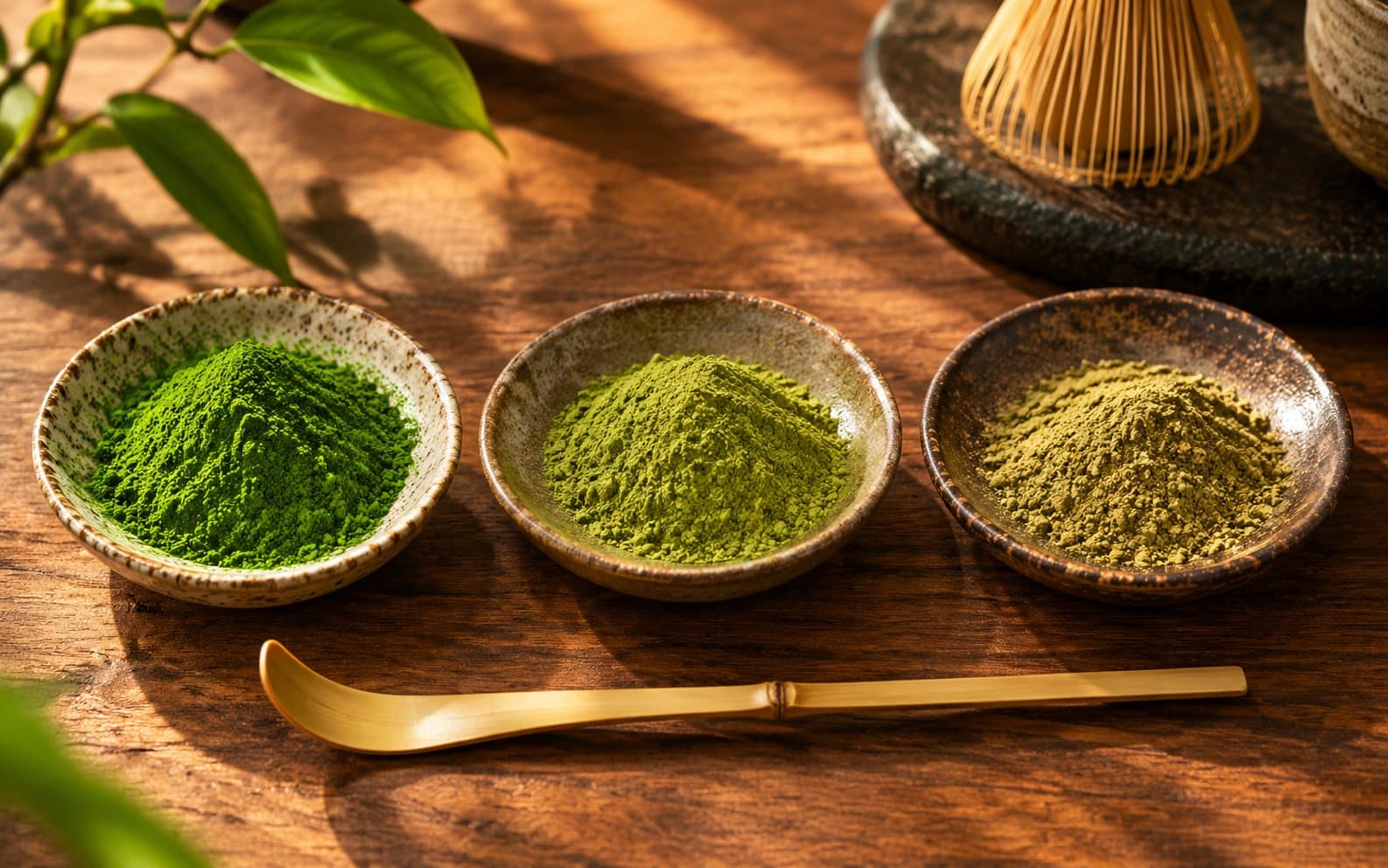 Buying guide5 min read
Best Matcha in India: How to Choose (A Simple Buying Guide)
Ceremonial or culinary? Why do prices vary so much? Here's how to choose good matcha in India, what to check on the pack, and how to test it at home. Guide3 min read
Why Samurai Drank Matcha: The Warrior's Tea Ritual
Long before matcha lattes, Japan's warrior class made a ritual of whisked green tea. How matcha became the drink of samurai and warlords, and why it still works today. Matcha 1013 min read